More
    Home Blog Page 2

    Shaun of the Dead (2004)

    0

    Legendary zombie director George A. Romero was so impressed by actor Simon Pegg and director Edgar Wright that he invited them to cameo in his next film, Land of the Dead (2005).

    The Girl Next Door (2007)

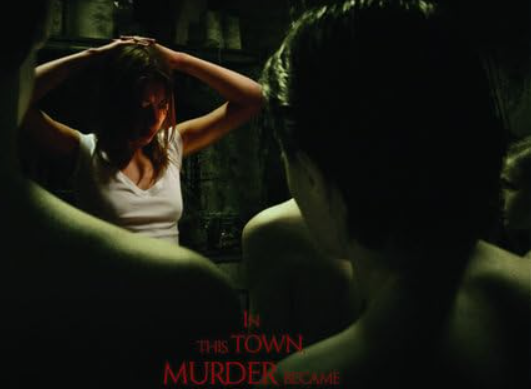
    In the summer of 1958, in a suburban town, two orphan girls are being abused and tortured by the very people who were meant to look after them.

    Unbearable to watch!

    With horror still thriving – equal parts triumphs and misfires – I found myself returning to a film that once left me staring at the world a little differently. Darker. Heavier. And yes, that film is The Girl Next Door.

    Because what it depicts is not supernatural terror, nor stylised brutality. It is something far worse: unfathomable, soul-shattering human depravity. Think of it as a psychopathic version of Stand by Me (1986). And I do not say that lightly. Director Gregory Wilson, adapting Jack Ketchum’s novel through the screenplay by Daniel Farrands and Philip Nutman, constructs something deceptively simple. The film begins innocently, with a coming-of-age tone. There is no overt stylistic flourish, no cinematic excess. If anything, it is sequential, almost plain. As in, nothing to talk about cinematically.

    And that is its most disturbing achievement – intentional or unintentional, not sure. Halfway through, something shifts. Not abruptly, but gradually. A creeping unease settles in. You begin to sense that something is wrong – terribly wrong. Yet the environment feels too ordinary, too populated, too… safe. You will find telling yourself, “Whatever happens, it won’t be that bad.”

    But it is. And then it gets worse. And worse. And worse. The horror escalates with the same flatness in rhythm, the same emotional limitation. There is no dramatic cue telling you when to react. No catharsis. Just an unbearable progression that forces a scream inside you: “Why doesn’t someone do something?!” And when the answer comes, you deny that this has ever happened. That people actually did what they did.

    This is one of the rare films that truly deceives its audience. It lures you in under the guise of familiarity and then confronts you with something you cannot process. The same lens that captures children enjoying ice cream and summer also captures the monstrous depths of human cruelty. No spectacle – only substance.

    At this point, I should take my hat off to the actors and actresses who were there throughout and made the film possible with their performances. And above all, Blythe Auffarth, who was at the centre of it all and made us all feel like apologising to her for not being able to do anything to stop this. Yeah, that bad!

    Few films achieve this level of existential disturbance and have made me feel in ways I never thought I could feel while watching a film. Earthlings (2005): https://kaygazpro.com/earthlings-2005/ and Martyrs (2008): https://kaygazpro.com/martyrs-2008-horror/ come to mind – films that make you question not just actions, but humanity itself. Whether we are, in fact, deserving of the name.

    Thanks for reading!

    Please, don’t forget to share. If you enjoy my work and dedication to film, please feel free to support me on https://www.patreon.com/kaygazpro. Any contribution is much appreciated and valued.

    Solidarity for all the innocent lives that suffer the atrocities of war!

    Stay safe!

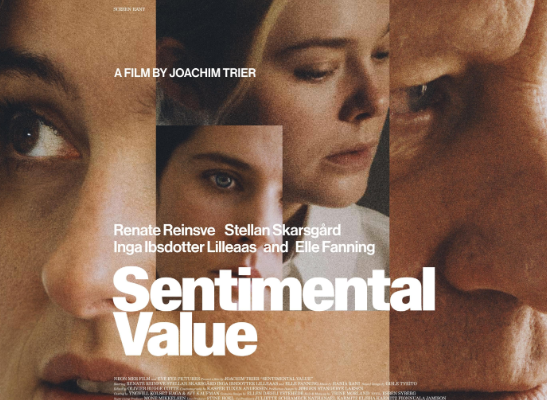
    Sentimental Value (2025)

    Years of suppressed feelings surface when a father asks his daughter to be in his last film.

    Captivating and engaging!

    Family affairs: what we say and what we don’t. More importantly, how we express what we don’t say. The pauses, the silences, the glances that carry entire conversations within them. And then it goes deeper – how we express what we feel when we don’t even acknowledge those feelings ourselves. Estrangement… not only from the family, but from who we are when left alone with our thoughts.

    And then there is film – the art of expression. Of translating what we can or cannot articulate. Of confronting what we can or cannot handle. Joachim Trier’s Sentimental Value, also written by Eskil Vogt, exists in that fragile, dark, internal space. It is a film about human nature – its strengths and its unavoidable fractures. About the emotions we suppress, store away, and eventually release at the worst possible time. Trier approaches this not with melodrama, but with emotional control. He trusts the audience’s potentially relatable experience, to sit in the discomfort, to read between the lines, to feel what is not explicitly shown.

    The performances elevate everything. Renate Reinsve, Stellan Skarsgård, Inga Ibsdotter Lilleaas, and Elle Fanning, all nominated for Oscars, as well as the rest of the cast, deliver performances that are never excessive or underplayed and anchor the film’s exploration of identity and disconnection. They are all equally committed, each performance adding another layer to the film’s emotional architecture.

    It is no surprise, then, that the film has been recognised across the world – BAFTA, Golden Globes, Oscars, and beyond. Becoming the first Norwegian film to win the Academy Award for Best International Feature is an inevitable achievement. It earns every accolade and arguably deserves even more.

    Trier and Vogt, who also gave us the haunting Thelma (2017): https://kaygazpro.com/thelma-2017-drama-fantasy-horror/, one of my earliest reviews that helped shape my own critical voice, return with a deeply introspective work. You can sense a filmmaker who understands not just cinema, but people. Actually, Vogt has written and directed one of my favourite Norwegian horrors, The Innocents (2021): https://kaygazpro.com/the-innocents-2021-drama-horror-mystery/– highly recommended!

    In a last note, Sentimental Value does not shout, it does not demand, but most certainly provides an archipelago of food for thought.

    Thanks for reading!

    Please, don’t forget to share. If you enjoy my work and dedication to film, please feel free to support me on https://www.patreon.com/kaygazpro. Any contribution is much appreciated and valued.

    Solidarity for all the innocent lives that suffer the atrocities of war!

    Stay safe!
    Mira Nair

    0

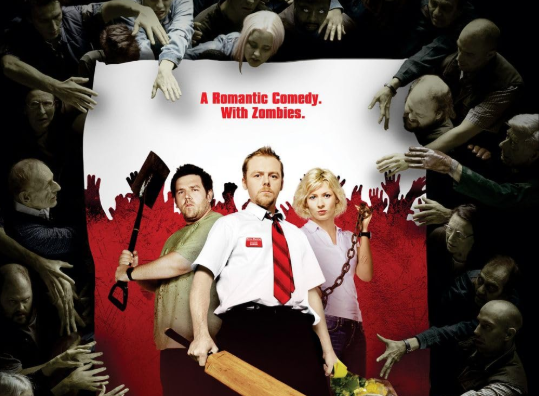
    “Making films is about having absolute and foolish confidence; the challenge for all of us is to have the heart of a poet and the skin of an elephant.”

    Honey Bunch (2025)

    A couple is drawn into a reclusive, mysterious, retro-styled experiment where reality, memory, and identity begin to blur.

    Intriguing concept, but lacks emotion.

    Shudder and XYZ Films… what can go wrong, right? On paper, not much. And to be fair, Honey Bunch carries a lot going for it. From the outset, it leans heavily into a nostalgic 1970s aesthetic – grainy textures, muted palettes, and a deliberate, steady pacing that feels almost hypnotic. There is a clear commitment to atmosphere, and visually, the film knows exactly what it wants to be.

    Conceptually, too, it intrigues. There is an idea that invites curiosity, even unease. But here lies the catch: while intriguing, it is not particularly new. We’ve seen variations of this premise before, explored through sharper scripts or more emotionally engaging narratives – no spoilers. Producers/writers/directors Dusty Mancinelli and Madeleine Sims-Fewer’s Honey Bunch doesn’t necessarily add to that conversation – it simply revisits it.

    And then comes the execution… For a film that positions itself somewhere between horror, sci-fi, and thriller, it ultimately settles – somewhat uncertainly – into sci-fi, with faint traces of thriller and almost no horror to speak of. The tension never quite materialises. The fear never lands. Even the dramatic beats, clearly designed to resonate, feel muted like the palettes. It is not that the film lacks intent – it is that it struggles to translate that intent into emotional impact.

    Which makes the rare moments that do work stand out even more. Oscar Isaac, as expected, delivers that emotion the film lacks. There is a particular scene involving the also-amazing India Brown that briefly shortens the film’s emotional distance – an exchange that corroborates what the film could have been had it leaned more into its human aspect. Lead actors Grace Glowicki and Ben Petrie are great in their roles, but their characters don’t allow them to express the raw emotions that should have been expressed if anyone found themselves in a situation like theirs.

    It would be easy to dismiss Honey Bunch, but that wouldn’t be entirely fair. It is a decent film – thoughtful, atmospheric, and clearly intentional thriller. It simply didn’t connect, at least not consistently. That said, there is undoubtedly an audience for this kind of slow-burn, aesthetically driven storytelling. I just wasn’t fully part of it.

    Thanks for reading!

    Please, don’t forget to share. If you enjoy my work and dedication to film, please feel free to support me on https://www.patreon.com/kaygazpro. Any contribution is much appreciated and valued.

    Solidarity for all the innocent lives that suffer the atrocities of war!

    Stay safe!
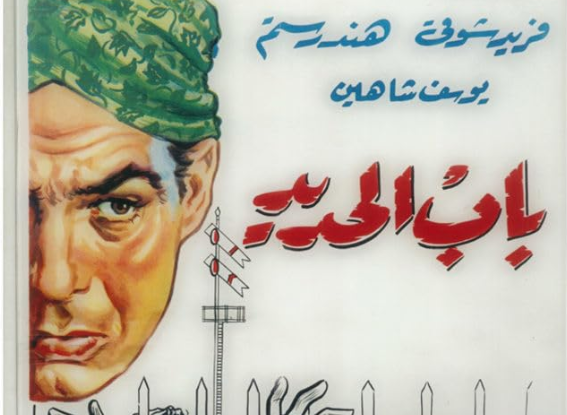
    Cairo Station (1958)

    0

    Egypt’s official submission for Best Foreign Language Film at the 31st Academy Awards in 1959. It holds a 100% rating on Rotten Tomatoes and was banned in Egypt for 20 years – only to be brought back due to public demand.

    Dolly (2025)

    0

    A gigantic figure with a doll mask abducts a young woman to raise her as their baby.

    It is the script that does the damage.

    This is one of those films where you cut straight to the chase – Dolly does it. Writer/director Rod Blackhurst adapts his own short Babygirl (2022), with IFC Films and Shudder fully backing his vision. Shot on 16mm, the film has a raw, textured aesthetic that immediately signals intent. It is well-acted and shot, indications that Blackhurst understands the tone he is aiming for and how to achieve it technically.

    The problem is not how it looks or sounds. The problem is what it is trying to say – or rather, how it says it. Tight off the bat, the narrative feels overly familiar. Isolation in the mountains. A deranged antagonist. Captivity and torture. These are not inherently flawed elements – far from it – but Dolly struggles to elevate them beyond their well-worn foundations. Even when it attempts to differentiate itself, particularly through its…  unconventional approach to torture, it veers into territory that feels less disturbing in a meaningful way and more uneasy for the sake of it – like a perverse fetish. The result feels like: What am I watching?

    There is a sense that the film is reaching toward the legacy of genre staples like Wrong Turn (2003), The Texas Chainsaw Massacre (2003), The House of Wax (2005), and The Hills Have Eyes (2006), yet it could never earn its place among them. The clichés accumulate, and instead of tension building, a kind of detachment sets in. And that drags the editing down, where editor Justin Oakey has to edit it in a way that actually makes sense. But despite his efforts, he can’t, and the pace and rhythm are all over the place.

    Adding to this is the decision to give its physically imposing antagonist an almost superhuman edge – a narrative gimmick that, rather than heightening the stakes, encourages passive acceptance. You stop questioning. You stop engaging. You simply wait for the end.

    What ultimately keeps Dolly afloat is Fabianne Therese. Her close-ups, in particular, carry an impactful, raw emotional weight that the script often lacks. She makes the difference between caring for the hero/ine and not caring at all, as seen in Until Dawn (2025): https://kaygazpro.com/until-dawn-2025/ – yet another one that tried to make it to the pantheon. Seann William Scott and Ethan Suplee are always great in their roles, but please remember that Scott was once one of the people who could make you laugh the most.

    IFC and Shudder continue to experiment – sometimes striking gold, sometimes missing the mark. This one leans toward the latter.

    Thanks for reading!

    Please, don’t forget to share. If you enjoy my work and dedication to film, please feel free to support me on https://www.patreon.com/kaygazpro. Any contribution is much appreciated and valued.

    Solidarity for all the innocent lives that suffer the atrocities of war!

    Stay safe!
    Martin Scorsese

    0

    “Sometimes when you’re heavy into the shooting or editing of a picture, you get to the point where you don’t know if you could ever do it again. Then suddenly you get excited by seeing somebody else’s work.”

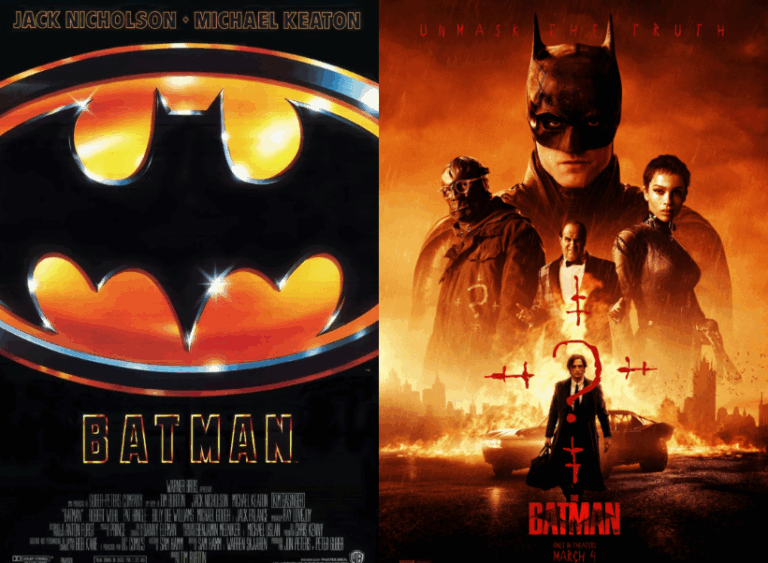
    Bruce Wayne is not Batman

    0

    Bruce Wayne didn’t simply become Batman. Batman is what remained after that night in Crime Alley. This episode explores the Dark Knight through the lens of trauma, identity, and radical altruism – a man who pushes himself to peak human limits not for glory, but to ensure no one else has to endure what he did. But in becoming Batman… what did Bruce Wayne have to sacrifice? Is Batman the mask, or is Bruce Wayne the disguise?

    Image References IMDb

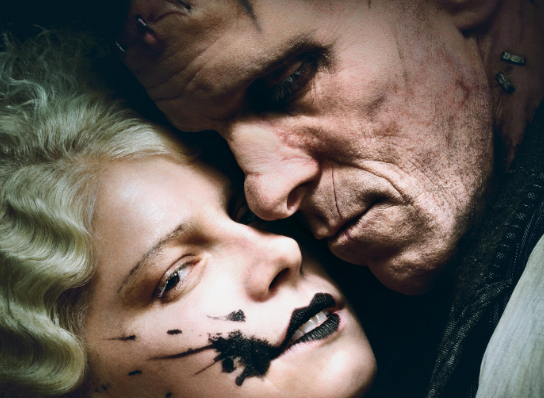
    The Bride (2026)

    In the 1930s, Frankenstein’s creation approaches a doctor to create a bride for him, but no one was prepared for the consequences.

    An overly ambitious project that understandably found no audience.

    There is something compelling in The Bride. A film that openly pays tribute to Bride of Frankenstein (1935), Young Frankenstein (1974), and Bonnie and Clyde (1967) – amongst others, it arrives with ambition, confidence, and a clear desire to reinterpret legacy through a modern, distinctly female gaze. And, on a purely technical level, it succeeds.

    The dialogue is like sharp, deliberate poetry, the performances by the A-list cast – Jessie Buckley, Christian Bale, Annette Bening, Penélope Cruz, Peter Sarsgaard, Jake Gyllenhaal and the rest of the cast – are committed, and the film itself is beautifully constructed – well shot, well edited, with a beautiful production design. There is a quality to its imagery, a kind of visual rhythm that elevates it beyond conventional genre filmmaking. Warner Bros’ reported $80 million budget feels justified; every frame suggests care, craft, and intention. All the ingredients are there for something refreshing – a neo-noir reimagining of a familiar myth under a new lens.

    Which begs the inevitable question: what went wrong? Unfortunately, quite a lot did. The issue seems embedded in poetic license taken a step too far. In attempting to reshape the narrative, the film becomes disjointed, at times bordering on nonsensical. The thematic ambition is clear, but its execution feels forced, particularly in its more overt ideological framing. There is an imbalance that the film never quite resolves.

    The “monster,” for instance, is rendered surprisingly insignificant – underpowered both narratively and emotionally – while The Bride takes centre stage without sufficient build-up to justify her dominance. Her arc feels rushed, almost granted rather than earned. Meanwhile, the portrayal of men leans heavily toward the monstrous or spineless, seemingly in service of a broader statement that, instead of strengthening the film’s message, simplifies it. There is a difference between perspective and reduction, and here the line blurs. Two wrongs, as the saying goes, rarely make a right.

    Even setting that aside, the film struggles under the weight of its own genre blending. Is it a musical? A horror? A thriller? A romance? A dark comedy? It attempts to be all of them, and in doing so, dilutes its identity. The result is not richness, but fragmentation – something that critics struggled with and audiences, judging by its reception, largely avoided.

    And yet, amidst all this, one constant remains: writer/director Maggie Gyllenhaal. Exceptional behind the camera, she brings a level of commitment and artistry that almost holds the film together. Almost. Because The Bride is not a failure of talent – but a failure of cohesion. Regardless, she is an amazing artist, and I, for one, can’t wait for her next film, either as an actress or director.

    Thanks for reading!

    Please, don’t forget to share. If you enjoy my work and dedication to film, please feel free to support me on https://www.patreon.com/kaygazpro. Any contribution is much appreciated and valued.

    Solidarity for all the innocent lives that suffer the atrocities of war!

    Stay safe!

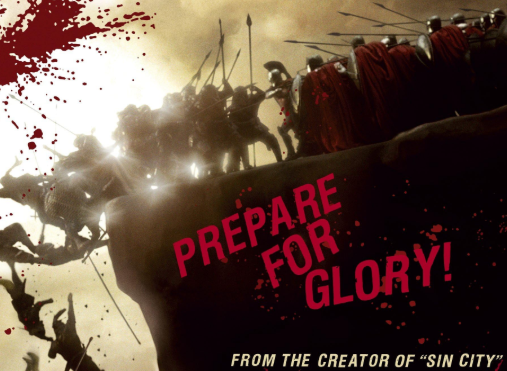
    300 (2006)

    0

    The highest-grossing R-rated comic book adaptation until the release of Deadpool (2016).

    Peter Bogdanovich

    0

    “You see so many movies… the younger people who are coming from MTV or who are coming from commercials and there’s no sense of film grammar. There’s no real sense of how to tell a story visually. It’s just cut, cut, cut, cut, cut, you know, which is pretty easy.”

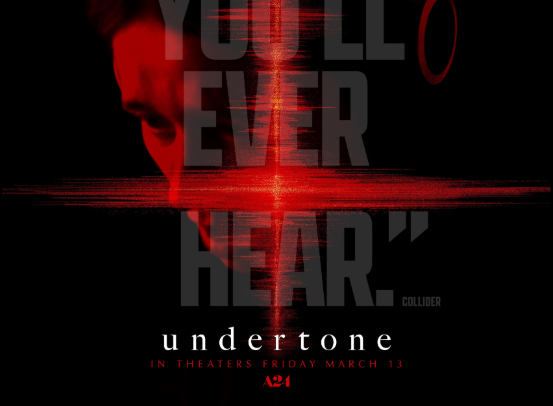
    Undertone (2025)

    Two podcasters who investigate the paranormal receive unknown recordings far more sinister than they expected.

    Breathtaking build-up, captivating climax.

    In my previous review of Rabbit Trap (2025): https://kaygazpro.com/rabbit-trap-2025/, I teased a companion piece. It is safe to say now that Undertone is that film – similar in spirit (pun intended), yet strikingly different in execution.

    Its most obvious and undeniable strength lies in its sound design. Not merely as a technical achievement, but as a narrative force. Like Rabbit Trap, the sound doesn’t support the narrative; the sound is the narrative. The recording, editing, and mixing create a sonic landscape that constantly destabilises you. The deafening silence. The sudden, eerie intrusions of sound. The question of whether what you heard was ever there to begin with, before, during, or after the headphones come off. It is an experience that spreads throughout the screening room and the surround system, forcing you to confront the fragile boundary between perception and reality.

    Less obvious, but equally masterful, is Graham Beasley’s cinematography. The use of depth of field is particularly striking: the out-of-focus background becomes as compelling as the foreground, drawing your attention away from Evy, played wonderfully by Nina Kiri, just long enough to make you question what you might be missing. Your gaze shifts constantly – between her reactions and the uncertainty behind her. The wide shots amplify this unease, often splitting the frame into two opposing forces: Evy and the consuming darkness. Your eyes move instinctively, left and right, scanning for threats, anticipating intrusion. I mean, the film weaponises your attention. And then comes the narrative layering…

    While Evy and Justin anchor the central plot, Jessa and Mike provide an audio subplot that does more than complement – it sets the pillars. And beneath both threads lies an even deeper, more unsettling tension: psychology versus the paranormal. Is this the manifestation of trauma, guilt, and maternal anxiety? Or something far older – an ancient entity, a deity that predates current belief systems and consumes what is most vulnerable?

    Writer/director Ian Tuason’s film thrives in these juxtapositions. Established religion versus primordial darkness. Symbols of protection that, when stripped of certainty, become symbols of fragility. The illusion of safety versus the terror of its absence, and… maternity, not as joy, but as vulnerability, responsibility, and fear.

    Undertone is not a film that ends when the credits roll. It demands that you sit with it, piece it together, question what you’ve seen – and what you think you’ve understood (literally, people sat through the end credits, and not because they were waiting for a post-credit scene). Forget historical or mythological accuracy. This is about experience. About feeling. And when it ends, as said, you may need a moment to breathe.

    A TikTok episode comparing Undertone and Rabbit Trap is on the way – two films so alike, yet so fundamentally different. I hope you experience both.

    Thanks for reading!

    Please, don’t forget to share. If you enjoy my work and dedication to film, please feel free to support me on https://www.patreon.com/kaygazpro. Any contribution is much appreciated and valued.

    Solidarity for all the innocent lives that suffer the atrocities of war!

    Stay safe!
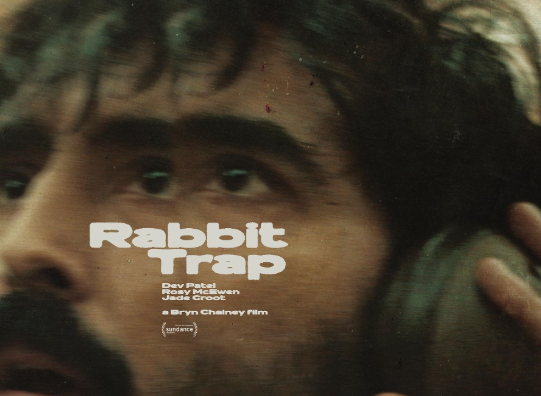
    Rabbit Trap (2025)

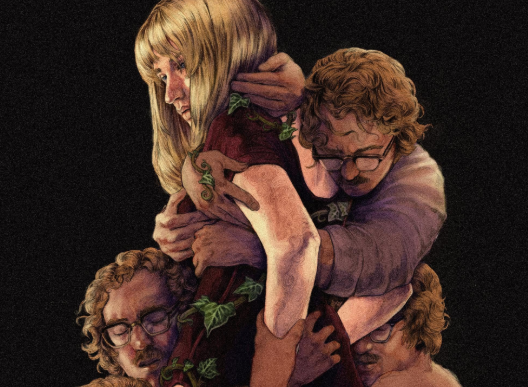
    A married couple moves from London to a remote cabin in the Welsh forest to finish their album, only to record an eerie sound that will expose the darkness inside them.

    A cinematic allegory of pain.

    This one got me thinking immediately: sound people will adore it. Not because the sound supports the narrative – but because, here, sound is the narrative. Consider this a companion piece to another review you’ll see immediately after; for now, Rabbit Trap stands as a demanding exercise in listening rather than watching.

    Early on, Darcy explains the importance of sound to the child that mysteriously appears – a pivotal moment that reframes everything that follows. It is not exposition in the traditional sense, but a thematic key. From that point forward, whispers, hums, distant cries, and the oppressive weight of silence in between become the film’s true language. Dialogue is secondary; what we hear – or don’t hear – does the heavy lifting.

    Set against the eerie isolation of rural Britain (filmed in Yorkshire, though steeped in Welsh folklore), the landscape feels appropriately detached from civilisation. This is the kind of place where cinema tells us something must exist beyond the visible. And, of course, something does. Bryn Chainey’s film dances around the idea of crossing a veil – between worlds, between states of being – without ever fully explaining it.

    What it evokes emotionally is… complicated. It is not quite scary, but it is dramatic. Not overwhelmingly dramatic, though, because it sustains suspense. And yet, not entirely suspenseful either, since you sense what is happening, just not why. That tension between partial understanding and complete ambiguity is where the film finds its intrigue. You are watching, listening, questioning: Am I seeing this correctly? Am I hearing this correctly? But, does it matter?

    Because what Rabbit Trap undeniably is, is esoteric. There is a fascinating collision here between folklore and trauma. Darcy and Daphne’s inner fractures bleed into the mythological fabric of the forest, where something ancient seems to echo human pain back at itself. As emotional disconnection deepens, human relationships recede, replaced by an unsettling communion with the unseen. The forest listens. The forest responds. But is it haunted? Is it evil?

    This is where the film is at its most compelling – and, admittedly, its most challenging. The (dis)connection between sound and silence becomes central, almost philosophical. Silence is not absence; it is pressure. Sound is not clarity; it is distortion. Even the title invites personal interpretation: the rabbit as vulnerability, instinct, or innocence – and the trap as whatever seeks to capture it, whether external forces or internal wounds.

    At times, the film risks overwhelming its audience. Not knowing the rules of the spirits is effective. Not fully understanding the trauma is intriguing. But being asked to decipher everything can feel disorienting. Still, this is not pretension – it is intention. Pain, grief, and whatever we perceive as the paranormal are, after all, deeply subjective experiences.

    And Rabbit Trap embraces that subjectivity fully – through its dark, suffocating cinematography, its committed performances by Dev Patel, Rosy McEwen, and Jade Croot, and above all, its haunting sonic landscape.

    If you’re willing to listen without needing answers, it might just speak to you.

    P.S. Always a pleasure seeing Elijah Wood wearing the producer’s hat behind such films.

    Thanks for reading!

    Please, don’t forget to share. If you enjoy my work and dedication to film, please feel free to support me on https://www.patreon.com/kaygazpro. Any contribution is much appreciated and valued.

    Solidarity for all the innocent lives that suffer the atrocities of war!

    Stay safe!
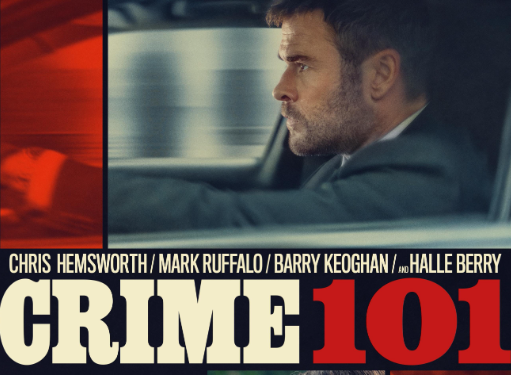
    Crime 101 (2026)

    As a high-profile jewel thief executes one final heist, the lives of criminals, law enforcers, and unlikely allies collide, blurring the lines between justice and obsession.

    A must-action-packed thriller!

    Crime 101 is a masterclass in atmospheric storytelling, blending character-driven drama with high-octane thrills. From its opening moments, the film establishes a hypnotic rhythm: solid, evocative music accompanies a series of impactful shots featuring seemingly unrelated people and situations. There’s an immediate sense that these narrative threads are destined to converge, and when they finally do, the result is both elegant and exhilarating. The climax, in particular, delivers a burst of fast-paced, gripping action that rewards the patient build-up.

    What follows the intriguing setup is an immersive exploration of character. The film takes its time, allowing us to understand each individual – their motivations, vulnerabilities, and moral ambiguities – making us eager to see how their paths will intersect, collaborate, or violently clash as the story progresses. The second act becomes a rich tapestry of heroes, villains, antiheroes, and victims, often blurring the lines between these categories. No one is entirely innocent, and no one is beyond redemption, which adds significant emotional and ethical weight to the narrative.

    Based on the work of Don Winslow and adapted for the screen by writer/director Bart Layton, and Amazon (MGM), the film excels at weaving these complex character arcs into a cohesive, highly suspenseful story. A crucial element in achieving this intricate balance is the editing by Julian Hart and Jacob Secher Schulsinger. Their work ensures that each sequence flows seamlessly into the next, maintaining a pace and rhythm that accommodates multiple narrative strands without ever feeling disjointed.

    One particularly striking moment is the dancing scene between Mike (Hemsworth) and Maya (Barbaro). In a film defined by sharp cuts and shifting perspectives, this unbroken, intimate sequence stands out as a moment of emotional stillness. An intimate moment where you can take a breath and relax. Its resonance extends throughout the rest of the film, influencing the tone and stakes of subsequent events. But none of these would actually work if…

    … The performances were nothing short of spectacular. Chris Hemsworth, Halle Berry, Mark Ruffalo, Barry Keoghan, Monica Barbaro, and the rest of the cast deliver nuanced portrayals that perfectly capture the depth and moral complexity envisioned by Winslow and Layton. Each actor brings authenticity and gravitas to their role, elevating the film beyond a conventional crime thriller. Definitely one of Hemswoth’s best performances and Berry… is just phenomenal in everything she does.

    Beneath its layers of action, Hollywood spectacle (with certain unrealistic, but enjoyable cinematic coincidences), and suspense, Crime 101 also confronts morally challenging and value-defying themes and, as always, the corporate disgust that even Hollywood seems unwilling to tolerate.

    P.S. Much better than its trailer (rare), which made it look quite a conventional Hollywood action film.

    Thanks for reading!

    Please, don’t forget to share. If you enjoy my work and dedication to film, please feel free to support me on https://www.patreon.com/kaygazpro. Any contribution is much appreciated and valued.

    Solidarity for all the innocent lives that suffer the atrocities of war!

    Stay safe!

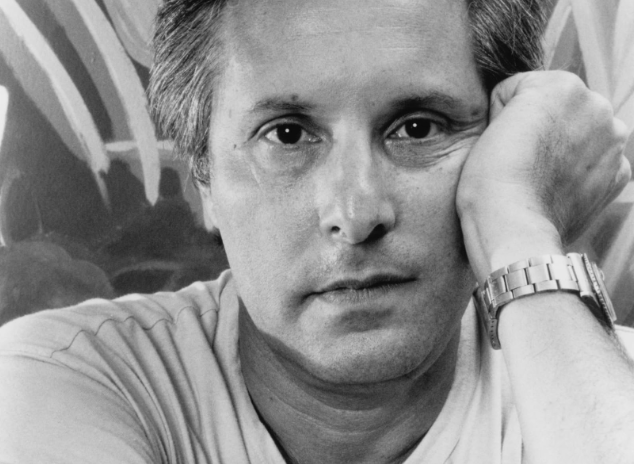
    William Friedkin

    0

    “I never really got interested in film per se, until one afternoon when I saw Citizen Kane… It was a revelation to me, as it was to a lot of people. All of a sudden here was this massive, complex, involving story that left the screen with you. It didn’t stay on the screen and lay back there like certain kinds of food that you eat and then five minutes later you’re hungry again. It really stayed with me and I saw it again and again, five or six times. It’s kind of a quarry for filmmakers, like James Joyce’s Ulysses is a quarry for writers.”

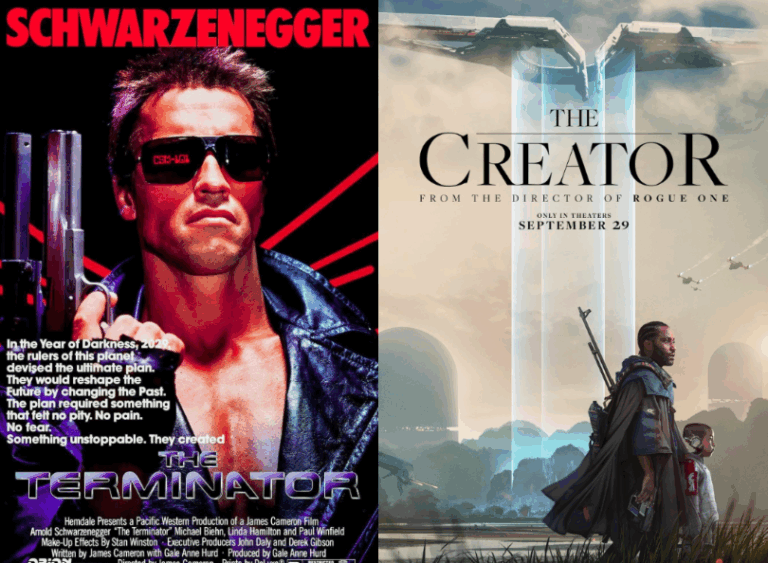
    AI: Apocalypse vs. Reality

    0

    From The Terminator (1984) to The Matrix (1999) to The Creator (2023), Hollywood keeps telling us the same story: AI will rise, and we’ll fall. But while we pay to watch these warnings, we also invite AI into every corner of our daily lives. Is cinema exaggerating, or are these films our way of processing a future we can’t quite control?

    Image References: IMDb


    Magazine Dreams (2023)

    0

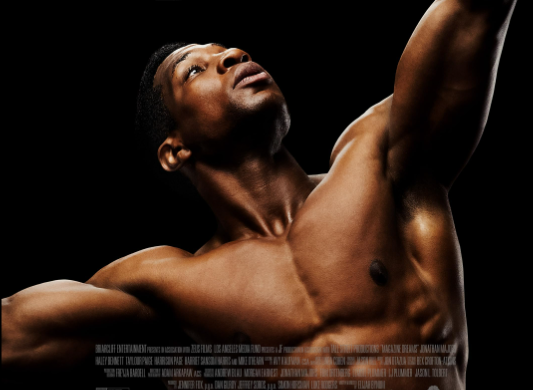
    An amateur bodybuilder does everything in his power to become professional, battling against his demons, the industry, and a cruel world.

    Heavy on the soul, yet absolutely a must-watch.

    Unapologetic rant incoming…

    Magazine Dreams is about the terrifying cost of dreaming. Magazine dreams, sports dreams, business dreams, film dreams – everyone has the right to dream. More importantly, everyone has the right to chase those dreams with everything they have. Success, fulfilment, happiness: these are not luxuries but deeply human aspirations. Yet what writer/director Elijah Bynum understands is that every dream comes with visible and invisible costs. Some are physical. Some are mental. Some slowly erode the soul.

    There is a saying: “Be careful what you wish for; it might cost you who you are.” (If you are into Aesop’s Fables). Killian Maddox (Jonathan Majors) is a man who wants nothing more than to become the best. Majors inhabits him with such frightening dedication that the performance transcends acting, becoming a form of emotional exposure. What he achieved with his body is just amazing, but his facial expressions purely complement his titanic effort. What needs to be understood is that as Killian’s body grows stronger, his mind fractures under the weight of obsession, trauma, loneliness, and relentless social cruelty. The film takes for granted that he is mentally unwell, but what it is asking you to think is whether the pursuit itself amplifies the illness, or whether the illness is what fuels the pursuit in the first place. That ambiguity, while not in focus, provides plenty to think about.

    Bynum crafts a devastating psychological portrait of a man trying to sculpt perfection out of pain. The balance between drama and thriller is, to my mind, immaculate. The film pulses with dread, yet never loses sight of the human tragedy at its centre. Killian, as I’ve said more times than I count, is a mirror held up to a paradoxical society that celebrates ambition while ridiculing those who dare to pursue it openly. And here lies the more personal sting.

    We live in a world where those who never dared often mock those who do. The spectators of comfortable couches, hidden behind screens and keyboards, humiliate the dreamers, the strivers, the people willing to risk failure in public. And for what? To get a “like.” It is easier to laugh from a chair than to stand up and try.

    Unfortunately for Killian – and for many real-life Killians – the harder he tries to become stronger, the more he breaks. Majors’ performance was widely singled out as award-worthy, even as the film’s release was severely delayed after his 2023 conviction on misdemeanour assault and harassment charges, which led major studios to distance themselves from both him and the project. Whatever one’s view of the actor, the film itself deserved to be seen, and Bynum and his work perhaps paid the highest price in that fallout.

    Everyone deserves a chance, not only to dream, but to be understood. To be accepted for who they are. And before you rush to cast any stones, just pause for a second and ask yourselves what you would do for a chance or even a second chance in life?

    One last note, name one thing that is free in this world. I’ll start… kindness!

    Thanks for reading!

    Please, don’t forget to share. If you enjoy my work and dedication to film, please feel free to support me on https://www.patreon.com/kaygazpro. Any contribution is much appreciated and valued.

    Solidarity for all the innocent lives that suffer the atrocities of war!

    Stay safe!

    Until Dawn (2025)

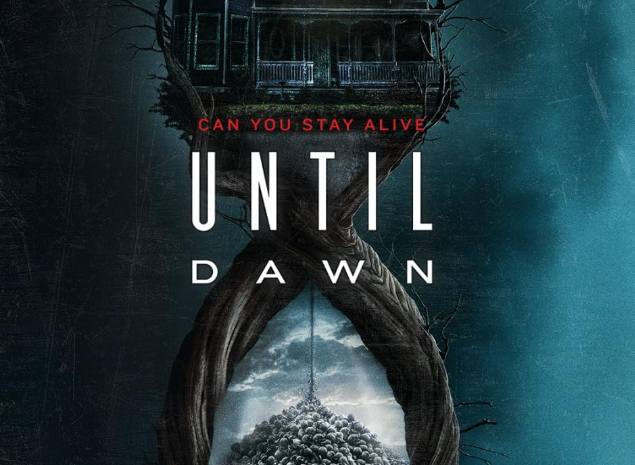
    A group of friends are trapped in an old town’s time loop and killed endlessly, but they must find a way out before the night ends, or it will be their last one.

    Huge misfire!

    The formula is instantly recognisable: a gruesome atrocity unfolds, only for the narrative to cut to a diverse group of standard underwear-model type of youngsters, unknowingly heading straight toward the site of the initial carnage. It is a structure deeply embedded in the DNA of all-American horror, reminiscent of films such as Wrong Turn (2003), The Texas Chainsaw Massacre (2003), The House of Wax (2005), and The Hills Have Eyes (2006), to name but a few. Yet, while those predecessors delivered agonising brutality and genuine terror, Until Dawn raises an essential question: does it achieve the same visceral impact?

    Produced by Sony Pictures through Screen Gems and PlayStation, the film functions as an indirect adaptation of the homonymous video game, seemingly targeting a younger generation that may not have experienced the genre’s earlier milestones. While it retains fragments of the game’s core qualities, it discards many others – arguably most of them – resulting in a potentially disappointing experience for devoted fans. For newcomers, however, the film offers an enjoyable slasher with an intriguing Groundhog Day-style temporal loop.

    Director and producer David F. Sandberg, alongside writers Gary Dauberman and Blair Butler, deliver a technically competent audiovisual experience. The dark cinematography, well-paced narrative, and satisfyingly brutal deaths demonstrate a clear understanding of genre mechanics. Nevertheless, the film’s central weakness lies in its characters. Written as largely expendable, they fail to inspire empathy; rather than fearing for their survival, the audience may find themselves anticipating their demise, hoping that each death at least justifies the price of admission (I couldn’t have said it more delicately if I tried). By the time the narrative reaches its conclusion, a deeper sense of narrative incoherence further diminishes its impact.

    What ultimately distinguishes Until Dawn from its genre predecessors is the absence of relatable or likeable figures whose survival genuinely matters. In films like The Texas Chainsaw Massacre, suspense is heightened because viewers emotionally invest in at least one or two characters, wishing to stand beside them and escape the nightmare. Here, emotional dissociation replaces tension. When the audience ceases to care, suspense evaporates, leaving only a passive wait for the end credits – perhaps with the tempting urge to start scrolling on a phone.

    And all that, I guess, makes a film mediocre or, even worse… OK.

    Thanks for reading!

    Please, don’t forget to share. If you enjoy my work and dedication to film, please feel free to support me on https://www.patreon.com/kaygazpro. Any contribution is much appreciated and valued.

    Solidarity for all the innocent lives that suffer the atrocities of war!

    Stay safe!
    Thrash (2026)

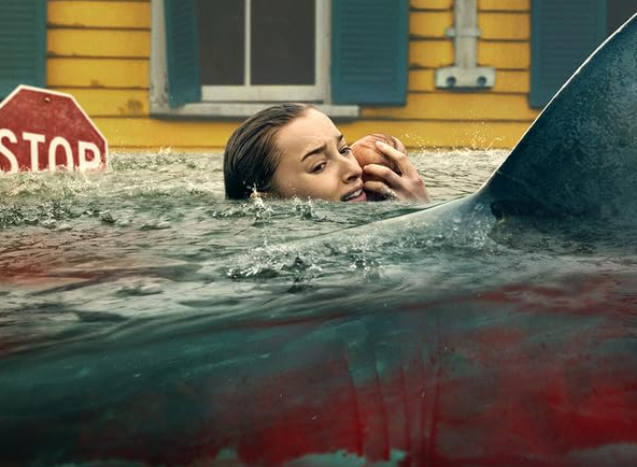
    A Category 5 hurricane desolates an American coastal town, slowly tearing it apart, sinking it under water and bringing in the sharks.

    Fun, utterly unrealistic, and so Netflix.

    If you approach it with the right mindset – switching off your analytical brain and embracing the spectacle – you’re likely to have a good time while pulling your hair. Let’s begin with the first act, which is surprisingly effective. Writer/director Tommy Wirkola builds genuine suspense as the storm approaches the South Carolina coastline. From a meteorological standpoint, the film suggests a hurricane intensifying rapidly from Category 2 to Category 5. While such rapid intensification might seem exaggerated, it is not entirely implausible. Without being an expert, I believe events like Hurricane Michael (2018) and Hurricane Ian (2022) demonstrated how storms can intensify quickly before landfall. That said, the speed and dramatic escalation depicted in Thrash are clearly heightened for cinematic effect, serving as a narrative gimmick to escalate tension. It works nonetheless.

    Visually, the first act is the film’s strongest component. The visual effects team deserves credit for creating a convincing sense of impending disaster, and the mounting dread of the storm is genuinely engaging. However, once the hurricane makes landfall, the film just abandons realism. Floodwaters engulf the city, and, what do you know, sharks begin to “stroll” through the submerged streets. From this point onward, the narrative embraces full-blown absurdity.

    The comparison to Crawl (2019): https://kaygazpro.com/crawl-2019-action-drama-horror/ is inevitable. While Crawl pushed the limits of plausibility with its alligator-infested flooding, Thrash goes several steps further, leaning heavily into exaggerated heroism and a series of last-minute rescues designed to maintain suspense. Characters frequently behave in ways that defy logic, driven more by Hollywood spectacle than by believable human reactions.

    One of the film’s most impressive achievements is the sheer scale of the flooded environments. The extensive use of water – whether practical or digitally enhanced – creates a visually immersive setting that sustains the film’s sense of chaos. It’s clear that significant resources were invested. Remember that Sony Pictures and Netflix backed it. They read the script and after the FADE OUT went: “Yeap… awesome! Let’s burn a few million.”

    Ultimately, Thrash is not a film to be taken seriously. It is loud, excessive, and more often than not, ridiculous. But if you’re in the mood for escapist disaster entertainment, it delivers exactly what it promises: a wild, waterlogged spectacle that prioritises fun over plausibility.

    Thanks for reading!

    Please, don’t forget to share. If you enjoy my work and dedication to film, please feel free to support me on https://www.patreon.com/kaygazpro. Any contribution is much appreciated and valued.

    Solidarity for all the innocent lives that suffer the atrocities of war!

    Stay safe!
    John Cassavetes

    0

    “I don’t direct a film, I set up an atmosphere, and the atmosphere directs the film.”

    Mother of Flies (2025)

    0

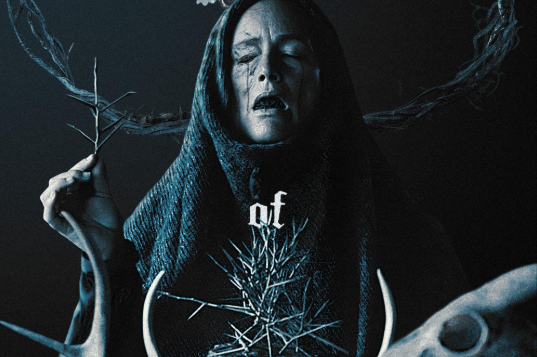
    When a young girl finds out she is dying, not knowing what else to do, she and her father turn for help to a witch.

    The Adams family never disappoints its fans.

    Mother of Flies reaffirms what fans of the Adams family – John Adams, Toby Poser, and Zelda Adams – have come to expect: a deeply personal, fiercely independent approach to horror that prioritises atmosphere, poetry, and emotional substance over conventional storytelling. Following their exploration of witchcraft in Hellbender (2021): https://kaygazpro.com/hellbender-2023-horror/, the trio once again delves into the supernatural, this time crafting a sorrowful journey with apocryphal consequences.

    Look, this is one of the most devastating experiences imaginable: a parent confronted with the impending loss of a child. No narrative device is more universally heartbreaking. Yet, rather than leaning heavily into overt melodrama, the Adams family opts for a restrained and contemplative tone. The film maintains a certain flatness in pace, rhythm, and dialogue, focusing instead on the philosophical question of whether ancient rituals – once dismissed as magic or the devil’s work – might offer solace or solutions when science and organised religion fail.

    The dialogue is intentionally simple, almost minimalist, encouraging the audience to focus on the poetic meditation of sickness, death, and the cyclical nature of existence – the nature and quality of the voice-over complements that effort. Does this approach succeed? For the most part, yes. The Adams seem less interested in conventional narrative momentum and more invested in philosophising about life and death through an arthouse cinematic lens. The result is an audiovisual experience that may not be traditionally “impressive,” but it is undeniably effective for viewers seeking something that diverges from mainstream horror.

    Certain sequences stand out for their visceral impact – the symbolic (and suffocating) presence of the snake, moments of physical suffering, and the unsettling imagery of bodily distress. These scenes demonstrate once again that compelling cinema does not require substantial financial resources. Through colourful cinematography and commitment to their vision, the Adams dispel the myth that meaningful horror must be expensive.

    As with many arthouse films, Mother of Flies resists easy categorisation or rating. It is not designed for universal appeal; rather, it invites a deeply subjective response. Supported again by Shudder, the film continues the Adams’ tradition of intimate, handcrafted storytelling. While my personal favourite of their work remains The Deeper You Dig (2019): https://kaygazpro.com/the-deeper-you-dig-2019-drama-horror/, this latest offering will undoubtedly resonate with fans of their unique sensibility.

    Ultimately, the dedication required to create films under such independent circumstances is nothing short of miraculous. Whether one embraces or rejects Mother of Flies, the passion and commitment behind it are impossible to ignore.

    Thanks for reading!

    Please, don’t forget to share. If you enjoy my work and dedication to film, please feel free to support me on https://www.patreon.com/kaygazpro. Any contribution is much appreciated and valued.

    Solidarity for all the innocent lives that suffer the atrocities of war!

    Stay safe!
    Star Trek (2009)

    0

    J.J. Abrams didn’t audition Simon Pegg (Scotty) – he just emailed him offering the role. Pegg replied that if Abrams hadn’t offered it, he would have begged to do it for free – or even paid to get the part.

    Pretty Lethal (2026)

    A group of American Ballerinas must fight their way out of a remote Hungarian inn that is run by the local mobster.

    Entertaining blend of horror, action, and comedy!

    This is one of those films that knows exactly what it wants to be and embraces it with unapologetic exuberance. From the very beginning, it becomes clear that this Amazon Prime Video original is not aiming for realism or subtle social commentary. Instead, it delivers a wildly entertaining blend of action, horror, and dark comedy, wrapped in a surrealistic aesthetic that feels both eccentric and captivating.

    Let’s start with the premise, which is as delightfully outrageous as it sounds: American ballerinas fighting to the death against a Hungarian mobster and plenty of henchmen. And when I say “fight,” I mean ballet-infused combat-kung fu style-with blades, bottles, hammers, shotguns, and, of course, some impressively choreographed kicks. It’s a concept that throws logic out of the window and replaces it with sheer cinematic audacity.

    The film’s surreal tone is also established through its striking production design. The inn where much of the action unfolds is described on IMDb as featuring arched stone corridors, wrought-iron detailing, and textured wood and velvet elements. A visual contrast between faded grandeur and environmental decay that creates a dreamlike, almost theatrical setting that perfectly complements the film’s over-the-top narrative.

    Director Vicky Jewson and writer Kate Freund, both also serving as executive producers, fully commit to this heightened reality. Rather than grounding the story in plausibility, they lean into its absurdity, presenting violence in a stylised, almost operatic manner. The result is a film where killing is portrayed less as brutality and more as a flamboyant extension of performance, echoing the elegance, harshness, and discipline of ballet. And all that, for your entertainment!

    The young ensemble and diverse cast, Maddie Ziegler, Lana Condor, Lydia Leonard, Avantika, Millicent Simmonds, and Iris Apatow, bring tremendous enthusiasm and physical commitment to their roles, successfully conveying the eccentricity and intensity required by such demanding choreography (without being woke). And then there is Uma Thurman, who once again proves her magnetic screen presence. She lights up every scene she appears in, adding gravitas and charisma to an already vibrant film. And remember, that back in the day, it was Thurman who performed all these amazing stunts!

    While the portrayal of Eastern European characters leans into standard Americanised stereotypes, the film approaches these elements with a tongue-in-cheek sensibility that aligns with its overall tone, as it is not meant to be taken seriously.

    In the end, this is a film that, as said, embraces its own eccentricity, offering ninety minutes of (literally) escapist fun. If you’re willing to surrender to its madness, you’re likely to have a thoroughly entertaining time.

    One last note: If you are looking for a film where a woman “seriously” punches, kicks, and shoots her way out, Jewson has also directed the amazing Close (2019): https://kaygazpro.com/close-2019-action-thriller/

    Thanks for reading!

    Please, don’t forget to share. If you enjoy my work and dedication to film, please feel free to support me on https://www.patreon.com/kaygazpro. Any contribution is much appreciated and valued.

    Solidarity for all the innocent lives that suffer the atrocities of war!

    Stay safe!

    Saltburn (2023)

    An Oxford outsider enters a world of privilege where obsession and class resentment evolve into a journey of manipulation and revenge.

    The psychopath’s journey…

    Writer/director Emerald Fennell made one of those films that constantly shifts beneath your feet. It begins as one kind of story, gradually transforms into something entirely different, and ultimately concludes as… well, something you have to experience for yourself. This constant evolution is part of its allure, keeping you engaged and unsettled throughout.

    From the outset, a few elements stand out immediately. Barry Keoghan delivers a mesmerising performance, anchoring the film with a stealthy intensity that becomes increasingly disturbing as the narrative unfolds. Jacob Elordi, Rosamund Pike, Archie Madekwe, Richard E. Grant, and the rest of the cast also raise the bar as the narrative descends more and more into darkness.

    Fennell employs daring cinematography and a series of stylish montages, ensuring the storytelling is never mundane – honestly, some sequences feel like music videos. The first act feels almost like a familiar tale of social aspiration – a young outsider navigating the intimidating world of elite academia.

    However, once the story moves to the titular estate, the film undergoes a striking transformation. The visual boldness and strong performances persist, but the narrative shifts dramatically. At Saltburn, the true nature of the characters begins to emerge: who they are, what they desire, what they conceal, and how deeply manipulation is woven into their interactions. The aristocratic family, insulated by wealth and privilege, appear almost unrelatable – existing in a rarefied world detached from ordinary reality.

    The film subtly explores the tension between the elite and the working class. Oliver (Keoghan) is initially treated less as an equal and more as an exotic curiosity – a kind of social “pet” invited into the household for amusement. Yet, as the story progresses, the moral balance becomes increasingly complex. While the family’s casual condescension is irritating at best, Oliver’s response is far more horrifying. His journey resembles the chronicle of a psychopath, transforming social resentment into meticulously calculated manipulation and revenge.

    In this sense, Saltburn echoes the thematic undercurrents of The Talented Mr. Ripley (1999) and offers an equally dark and twisted class commentary reminiscent of Parasite (2019): https://kaygazpro.com/parasite-2019-comedy-drama-thriller/. However, rather than presenting a straightforward social critique, the film revels in ambiguity (literally, in the end), forcing the audience to question sympathy and morality.

    The daring visual style ultimately serves a provocative narrative designed to shock and disturb. Through its meticulous editing, striking cinematography, bold performances, and creative, unrealistic liberties, Saltburn becomes an unsettling exploration of obsession, envy, and the corrosive effects of privilege.

    It is not meant to be an easy watch, but it is an unforgettable cinematic experience.

    Thanks for reading!

    Please, don’t forget to share. If you enjoy my work and dedication to film, please feel free to support me on https://www.patreon.com/kaygazpro. Any contribution is much appreciated and valued.

    Solidarity for all the innocent lives that suffer the atrocities of war!

    Stay safe!
    Danny Boyle

    0

    “I think your first film is always your best. Always. It may not be your most successful or technically accomplished, but you never, ever get close to that feeling of not knowing what you’re doing again. And that feeling of not knowing what you’re doing is an amazing place to be.”

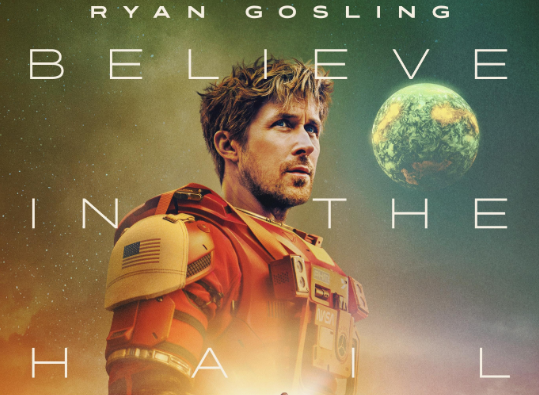
    Project Hail Mary (2026)

    A man is sent to space in an attempt to find a cure for an unknown substance that is killing the Earth’s sun.

    Entertaining, fascinating, and with plenty of food for thought!

    The film opens with a non-linear narrative that immediately disorients and intrigues. Just like what’s happening to the hero. We meet Ryland Grace in space, mid-mission, before slowly working backwards to understand how he got there and why. This structure creates two and a half hours of questions, answers, and even more questions, which is precisely what keeps the audience engaged.

    The film is a remarkable blend of comedy, drama, and existential contemplation. Ryan Gosling, who reportedly didn’t even audition and was the filmmakers’ only choice, delivers exactly what the narrative requires. He is funny when the story calls for levity, serious when the stakes demand it, and never feels out of step with the tonal rhythm. Sandra Hüller is also perfect in her role. The comedy is precise, like clockwork, aided by a perfectly attuned soundtrack and editing that gives each moment the pace and weight it needs.

    Project Hail Mary provokes thought about human existence and how easily we take life and survival for granted. It sits in the lineage of isolated-space missions on screen – think 2001: A Space Odyssey (1968), Solaris (1972/2002), Sunshine (2007), and Spaceman (2024) – yet manages to remain accessible, even as some of the science or technology may stretch credulity. The film takes risks, much like The Martian (2015) did, and largely succeeds in creating both tension and wonder while keeping you emotionally invested in a solitary protagonist’s mission to save humanity.

    Directors Phil Lord and Christopher Miller, alongside Drew Goddard’s screenplay adaptation of Andy Weir’s novel (their second collaboration after The Martian), create a seamless audiovisual experience. Diegetic and non-diegetic sound complement each other to heighten suspense, humour, tension, and reflection. Beyond the science-fiction spectacle, the film thoughtfully examines isolation, courage, and ingenuity, all while providing genuinely entertaining moments.

    Yes, there are plenty of Hollywood touches and scientific liberties, but they never overshadow the story’s emotional and philosophical beats. Two and a half hours fly by, leaving you thinking about life, survival, and what it means to matter in a vast, indifferent universe.

    IMDb Fun Fact: The astronauts of the Artemis II mission reportedly watched the film in quarantine before their moon launch – proof that it resonates even beyond the screen.

    Project Hail Mary is a smart, entertaining, and surprisingly thoughtful space adventure that hits the sweet spot between spectacle and introspection.

    Thanks for reading!

    Please, don’t forget to share. If you enjoy my work and dedication to film, please feel free to support me on https://www.patreon.com/kaygazpro. Any contribution is much appreciated and valued.

    Solidarity for all the innocent lives that suffer the atrocities of war!

    Stay safe!
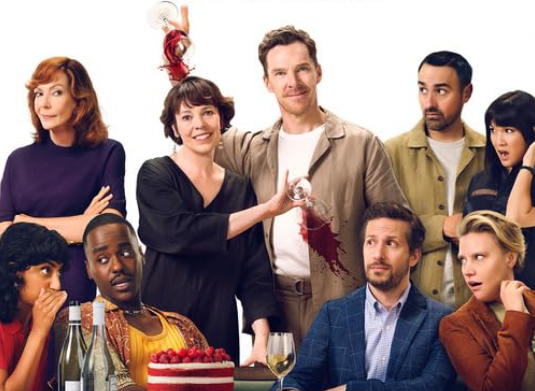
    The Roses (2025)

    0

    A British couple moves to the US and starts a family, but professional aspirations and personal insecurities turn them against each other.

    You have to love the British humour!

    This is a great British reimagining of a very solid American original, The War of the Roses (1989). And what I appreciated most is that it does not try to outdo it or radically reinvent it. Instead, it leans into its British identity and lets tone, performance, and humour do the heavy lifting.

    And speaking of performances – this is where the film truly shines. Benedict Cumberbatch and Olivia Colman are simply excellent. They understand exactly what kind of film they are in and navigate that delicate balance between comedy and cruelty exactly where the narrative leads them. Their chemistry feels authentic, uneasy, and at times painfully funny – exactly what this story requires. Kate McKinnon, Andy Samberg, Sunita Mani and the rest of the cast support this effort brilliantly!

    This is very much a slow-burn comedy, and that may throw some people off at first. But there is a clear reason behind that pacing. Co-writer Tony McNamara and director Jay Roach’s remake takes its time to let the audience absorb the quirks, the awkward silences, the build-up of troubles, and the peculiar rhythms and vernacular of British humour. It wants you to sit with it, to adjust to it, so that when the escalation comes – and it does – it lands far more effectively.

    What makes it particularly interesting is how that humour translates. British audiences will immediately recognise the tone – the restraint, the sarcasm, the subtle cruelty wrapped in politeness. For American audiences, it might feel slightly offbeat, even strange at times, but still undeniably funny. And in The Roses, that duality works both ways. The characters themselves seem to be in that same position, reacting to situations in ways that feel both natural and detached.

    Importantly, the film retains the morbidity of the original. Beneath the humour lies the slow disintegration of a relationship, the pettiness, the resentment, the quiet warfare that builds over time. It never loses sight of that. If anything, this version feels a little more restrained, but no less sharp.

    It is not a film that will make you laugh out loud every minute. But it will make you smile, wince, and potentially offend you or shock you – and that is exactly what it is aiming for.

    Thanks for reading!

    Please, don’t forget to share. If you enjoy my work and dedication to film, please feel free to support me on https://www.patreon.com/kaygazpro. Any contribution is much appreciated and valued.

    Solidarity for all the innocent lives that suffer the atrocities of war!

    Stay safe!
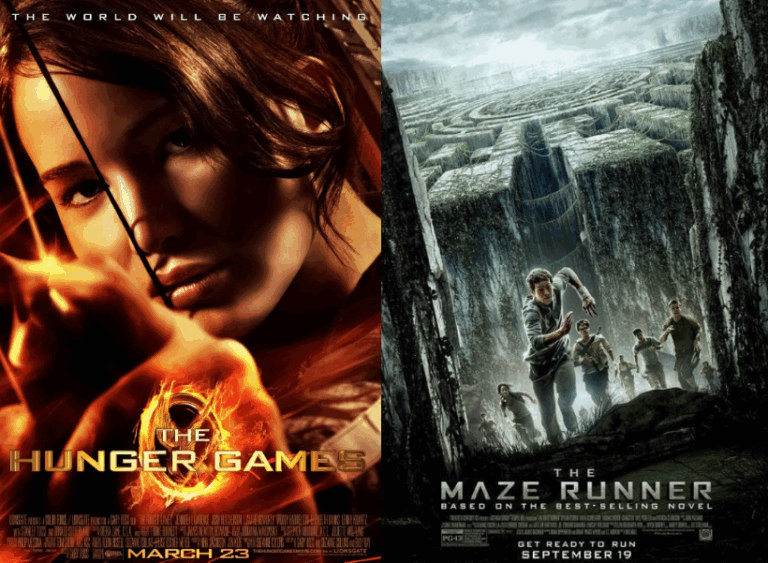
    The Spectacle of Resistance: Bread and Circuses

    0

    Hollywood loves rebellion stories – The Hunger Games (2012), Divergent (2014), Maze Runner (2014). But are they inspiring us… or distracting us? Do these ‘resistance’ films reflect reality, or sell us wishful thinking while the system profits?

    Image References: IMDb

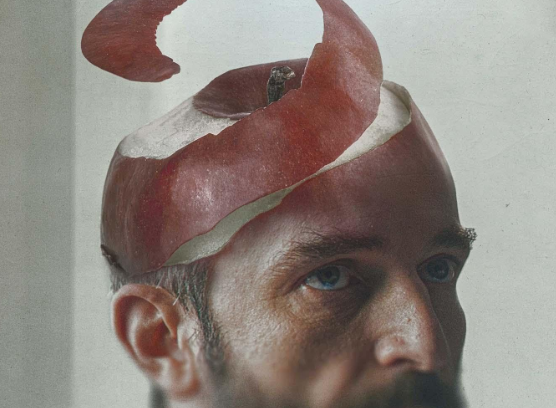
    Apples (2020)

    0

    The first feature film by director Christos Nikou, which, among many other accolades, was Greece’s official submission for Best International Feature Film at the 93rd Academy Awards in 2021. Though it wasn’t nominated, the film is outstanding!

    The Zone of Interest (2023)

    An Auschwitz commandant and his wife struggle to achieve the life they want to, a life next to the concentration camp.

    Family “drama” as you have never experienced cinematically before…

    The Zone of Interest is one of the most disturbing cinematic experiences you can have – not because of what it shows, but because of what it refuses to show. Directed by Jonathan Glazer and released by A24, the film presents a story that feels almost ordinary on the surface: an army commandant and his wife trying to build the life they want, raising their children, organising their home, worrying about promotions, gardens, and social status. Human struggles, everyday struggles – presented in a way that feels realistic, familiar, and relatable.

    The film’s foreground is intentionally misleading. It wants you to focus on domestic problems, marital tensions, professional ambitions, and family life – the kind of issues everyone faces at some point. The characters are filmed in a naturalistic way, behaving like any middle-class European family. They look like us. They talk like us. They worry like us.

    But they are not us! He is a Nazi commandant… just beyond their garden wall lies Auschwitz… and he is running the concentration camp.

    What makes the film a tremendous cinematic achievement is the terrifying antithesis between what you see and what you hear. Visually, life goes on normally – children playing, flowers growing, conversations about daily routines. Aurally, however, the background is filled with distant screams, gunshots, machinery, and the constant industrial hum of death. The film forces you to experience the coexistence of normality and monstrosity, and that contrast becomes almost unbearable as the film progresses.

    Pay attention to the small details – especially scenes where the women talk about flowers or domestic matters while the background sounds continue. Those moments are spine-chilling because they show not ignorance but acceptance. The horror is not hidden; it is simply incorporated into everyday life. And that is what makes the film so haunting. Not violence, not spectacle, not graphic imagery – but the idea that humans can normalise anything, even the unimaginable.

    While watching The Zone of Interest, you constantly find yourself trying to reconcile what you know historically with what you see on screen. And that mental conflict is exhausting in the most intentional way. How is it possible that people capable of love, family life, ambition, and dreams are also capable of living next to industrialised death and continuing their day as if nothing is happening?

    This is not an easy film. It is not meant to entertain. It is meant to haunt you – and it does.

    Thanks for reading!

    Please, don’t forget to share. If you enjoy my work and dedication to film, please feel free to support me on https://www.patreon.com/kaygazpro. Any contribution is much appreciated and valued.

    Solidarity for all the innocent lives that suffer the atrocities of war!

    Stay safe!
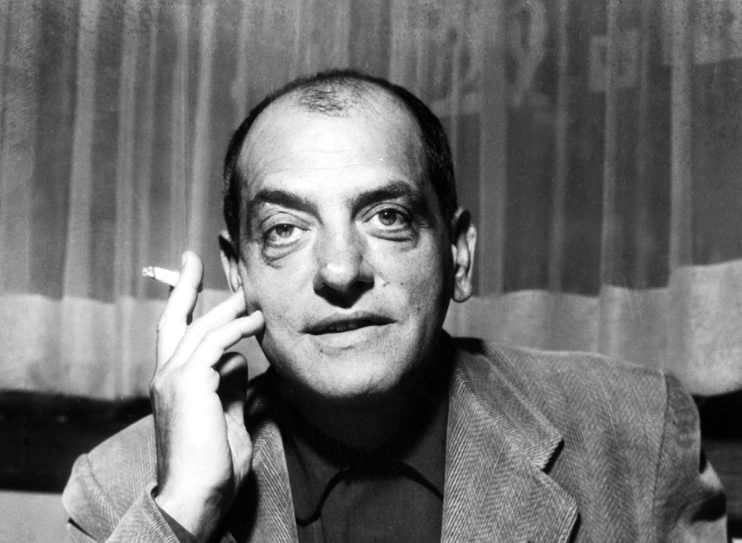
    Luis Buñuel

    0

    “What I want is for you not to like the film, to protest. I would be sorry if it pleased you.”

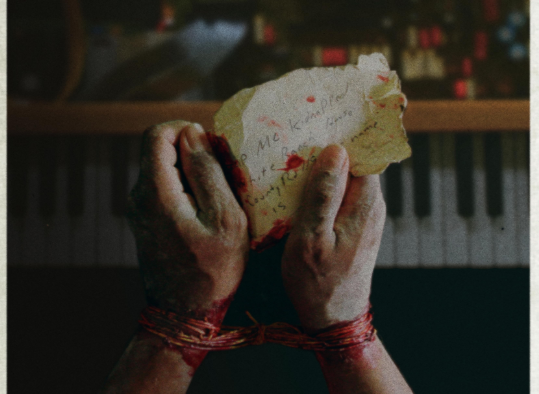
    Dead Mail (2024)

    In the 1980s, a letter from a kidnapped man reaches a dead-mail investigator, who sets out to find him.

    Well, if that’s not an interesting concept…

    There is a lot to take in here. Dead Mail starts with a genuinely intriguing first act that immediately sets the tone and atmosphere. From the very beginning, this slow-burn thriller radiates strong 1980s vibes; it takes place in that era and imitates it stylistically. Look what kind of people we are talking about: A kidnapped keyboard engineer (the only normal), a strange but brilliant investigator who works in a department dealing with lost letters and valuables in a small American town, who collaborates with a mysterious Norwegian secret agent/spy helping him solve cases of lost letters, and a highly sophisticated villain who is obsessed with keyboard engineering. If that doesn’t get your attention, I don’t know what will.

    But when we actually get to know the villain, that’s when things start becoming truly eccentric. And I mean very eccentric. Shudder, and writers/directors Joe DeBoer and Kyle McConaghy clearly decided to invest in a very particular kind of film. The villain is a highly educated, we are never quite sure in what, psychotic individual who used to practice javelin and is obsessed with synthesiser engineering. He kidnaps a synthesiser engineer and keeps him in a massive, intricate house that makes you wonder where the money came from, since the man appears not to work at all. The entire situation grows more absurd as the film progresses, and, interestingly, the audiovisual style increasingly matches that absurdity.

    McConaghy, who also serves as composer, cinematographer and editor, along with DeBoer, also a composer, make sure the film’s quirky synthesiser score and the visual style work together. The film is full of abrupt cuts, low angles, high angles, Dutch angles, tracking shots, close-ups – almost every technique you can think of. Normally, throwing so many stylistic choices into the mix would be a disaster, but here, somehow, it actually works. The visual chaos matches the villain’s strange personality, his posh British-English language delivered in an American accent, and his overall toxicity and sinister presence.

    Does the film make perfect sense? Not really. Does it keep your attention? Absolutely. You keep watching because you want to see where this bizarre story is going, whether the kidnapped man will escape, what the villain is actually trying to achieve, and what kind of justice, if any, will be delivered in the end.

    This is not a commercial thriller. It is not a horror film that will terrify you or keep you awake at night. It is, however, an intriguing, eccentric, absurd film that you might enjoy if you approach it with the right expectations.

    Oh, and one more thing: John Fleck really steals the show.

    OK, one more last thing: stay for the credits. Seriously. You might end up looking something up afterwards. No spoilers.

    Thanks for reading!

    Please, don’t forget to share. If you enjoy my work and dedication to film, please feel free to support me on https://www.patreon.com/kaygazpro. Any contribution is much appreciated and valued.

    Solidarity for all the innocent lives that suffer the atrocities of war!

    Stay safe!
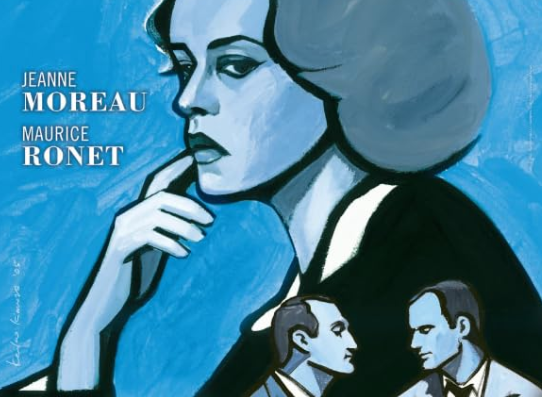
    Elevator to the Gallows (1958)

    0

    Director Louis Malle shot many close-ups of star Jeanne Moreau, most of them without makeup. Though she looked far less glamorous, Malle managed to capture every subtle nuance of her performance.


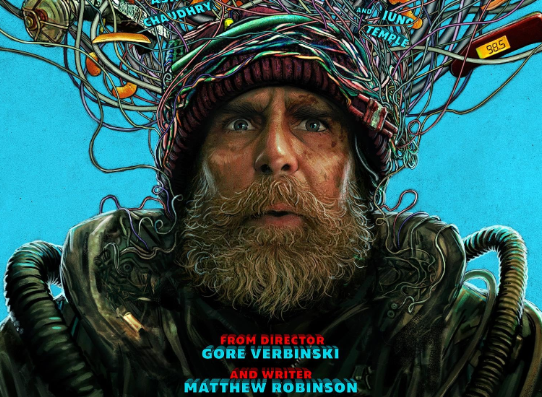
    Good Luck, Have Fun, Don’t Die (2025)

    A man who claims he is from the future, enters a restaurant and recruits the most unlikely group of people to save the world from a rogue artificial intelligence.

    “If you want to tell people the truth, make them laugh, otherwise they’ll kill you,” – Oscar Wilde.

    Writer Matthew Robinson and director Gore Verbinski are doing exactly that by clearly trying to tell some nasty truths – but they wrap them in awkward humour, absurd situations, and a strangely chaotic sci-fi narrative so that we laugh first and realise what we are laughing about later.

    The film builds an interesting chain of ideas. First, the pandemic of mobile phones permanently attached to our hands. Then, the dependency on social media that follows. Then the endless, aggressive advertising that comes with it. And finally, the zombification caused by endless and pointless scrolling and liking moronic material without actually liking or even watching the content – a condition that has clearly affected younger generations but, if we are honest, has gradually infected all of us. Favourite sequence is inside the school, which is like something out of a Carpenter film, turning the kids into Village of the Damned (1995): https://kaygazpro.com/village-of-the-damned-1995-horror-sci-fi-thriller/.

    Then the film moves into much darker territory. School shootings – one of the most horrifying realities of modern American society – are not something you can joke about. And the film does not really joke about them. Instead, it imagines a dystopian future where society has become so emotionally detached and morally confused that even something so monstrous is processed in bizarre, almost absurd ways. It is funny in a very uncomfortable way – the kind of humour that makes you laugh and then immediately feel uneasy for laughing.

    The narrative feels almost like a twisted version of The Terminator (1984) mythos: a John Connor-like figure returning to save humanity – but this time not from machines, but from ourselves. Because the world depicted here is not destroyed by war or aliens; it is destroyed by boredom, emptiness, social media addiction, artificial realities, and our growing dependence on artificial intelligence – something we have already invited into our lives and will probably soon be unable to live without.

    From a filmmaking perspective, the film is intense, brilliantly chaotic, full of clever flashbacks, and supported by strong performances across the board: Sam Rockwell, Juno Temple, Haley Lu Richardson, Michael Peña, Zazie Beetz, Asim Chaudhry, and the rest of the cast do an amazing job. The blend of science fiction, thriller, and comedy works exquisitely well. But I have to admit, while watching it, I found myself thinking less about camera angles or editing and more about what the film was actually saying about us – about where we are as a society and where we might be heading.

    And that is always an interesting sign. Because, arguably, the most important thing a film can do is not impress you technically, but make you feel unease about how truthful its dystopia feels – and how close we are to it.

    Thanks for reading!

    Please, don’t forget to share. If you enjoy my work and dedication to film, please feel free to support me on https://www.patreon.com/kaygazpro. Any contribution is much appreciated and valued.

    Solidarity for all the innocent lives that suffer the atrocities of war!

    Stay safe!
    Spike Lee

    0

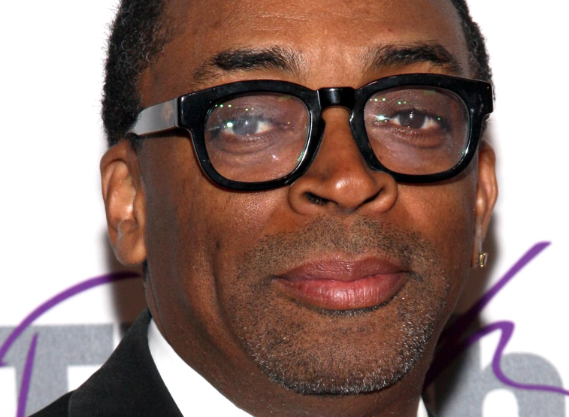
    “A lot of times you get credit for stuff in your movie that you didn’t intend to be there.”

    I Swear (2025)

    A young man grows up having Tourette’s syndrome, something that his family and the society around him do not understand.

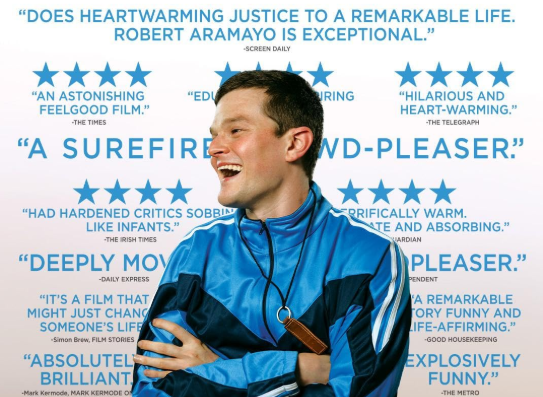
    I Swear is one of those films that reminds you why cinema matters. From the very beginning, I felt its cinematic impact. Writer/director Kirk Jones approaches the material with such honesty and restraint that the film never feels manufactured or manipulative. And Robert Aramayo delivers a performance that will make your eyes go misty, then catch yourself laughing, then feel something deeper before you even have time to process it. This is British cinema at its finest. Next to Aramayo, Peter Mullan, Maxine Peake, and Shirley Henderson do an amazing job supporting him.

    On the surface, the film feels simple – almost deceptively so. There is nothing flashy about its audiovisual style, nothing overly stylised or technically showy. And yet, scene after scene, it lands with emotional force. It draws you in, disarms you, and then breaks your heart before putting it back together again. I found myself feeling proud of the protagonist, only to be caught off guard by moments of humour that made me laugh out loud – sometimes guiltily, sometimes uncontrollably. And Jones’ film understands that. It embraces that discomfort and reminds you that it’s human. No one’s going to hell for that.

    I Swear is one of the most honest films I have seen in a long time. It is funny, sad, and deeply real, offering life lessons without ever becoming preachy. Through John Davidson’s story, it invites reflection rather than forcing it, allowing the audience to learn, to question, and to feel.

    What makes the film even more important is its engagement with conditions like Tourette’s syndrome and, more broadly, the way we perceive difference – whether that be Asperger syndrome or any other neurodivergent experience. The film does not seek pity, but understanding. And in doing so, it highlights something we often forget: that what we label as “different” is simply part of the vast spectrum of being human.

    Because ultimately, I Swear while representing one individual’s struggle or journey, it is about all of us – our quirks, our flaws, our awkwardness, our humanity. It challenges the instinct to judge those who do not look, sound, or behave like us, and instead encourages something far more valuable: empathy.

    And this is where cinema reveals one of its greatest strengths. It can open our eyes. It can shift perspectives. It can prepare us – not just to accept difference – but to embrace it.

    No amount of praise can quite do this film justice. You simply have to experience it.

    Thanks for reading!

    Please, don’t forget to share. If you enjoy my work and dedication to film, please feel free to support me on https://www.patreon.com/kaygazpro. Any contribution is much appreciated and valued.

    Solidarity for all the innocent lives that suffer the atrocities of war!

    Stay safe!
    Filmmakers, Celebrities, Politics, and Freedom of Speech

    0

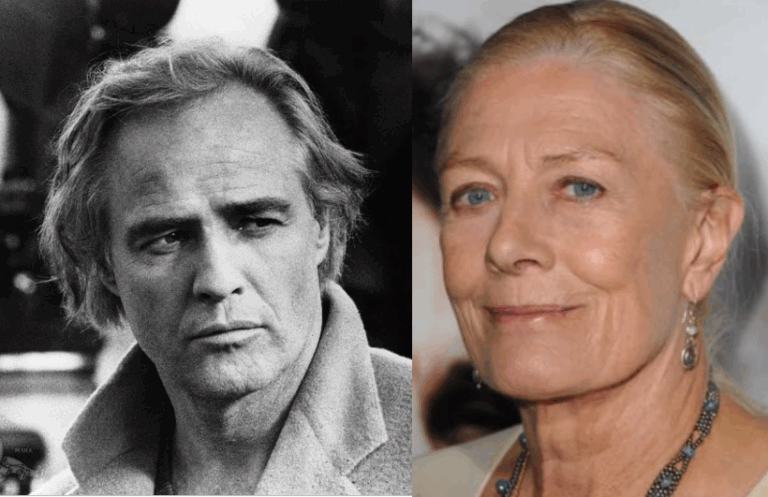
    From Marlon Brando’s Oscar protest to the Emmys’ silence today — should celebrities speak out, or stay quiet? And do we, as audiences, even know what we want from them?

    Image References: IMDb

    Borom Sarret (1963)

    0

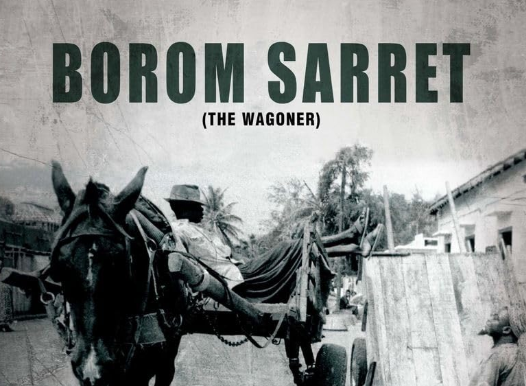
    The first short film made by an indigenous African (Ousmane Sembene). The title translates to “The Wagoner” and, although it was shot in French, it was also filmed in the Senegalese language, Wolof.

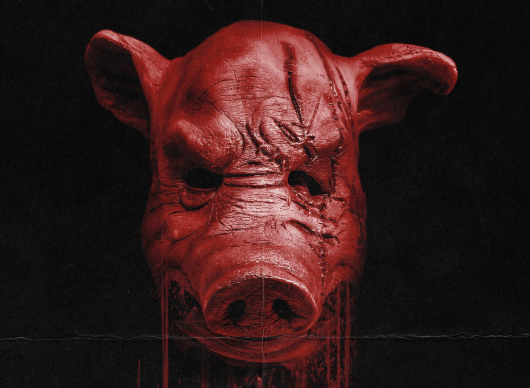
    Pig Hill (2025)

    0

    After a series of women going missing, a young woman decides to investigate the Pig People, a local legend that has haunted her since her childhood.

    Hard watch, but for the wrong reasons.

    It’s always difficult to rate films like Pig Hill because the usual criteria don’t really apply. The story itself is actually quite interesting, but the execution is rough – partly because of the small budget and partly because director Kevin Lewis and production outfits like Bloody Disgusting seem perfectly comfortable operating in this particular corner of horror cinema. And that corner is very specific: cheesy, neo-noir-infused slasher horror with a deliberately forced atmosphere, abrupt editing that tries too hard to scare you, exaggerated lighting, and a tone that constantly sits somewhere between wannabe serious and self-aware.

    Nothing in Pig Hill feels natural or particularly polished, but perhaps that is entirely the point. It does not try to be Wrong Turn (2003), The Texas Chainsaw Massacre (1974/2003), or The Hills Have Eyes (1977/2006). Those films aim for brutality, tension, and psychological discomfort in a more realistic way. Pig Hill, on the other hand, feels like it belongs to a different subculture of horror – one that embraces incoherence, perversity, rough filmmaking, and questionable narrative logic as part of its identity rather than as weaknesses.

    From a conventional filmmaking perspective, there are many issues. The acting is uneven, the shot composition is sometimes strange, the editing is as abrupt as it gets, and the film’s approach to mental illness and psychology is, at best, nonexistent. If you watch it expecting a tightly constructed horror film, you will almost certainly be disappointed.

    But here is the strange part… sometimes you are just in the mood for exactly this kind of film. The kind of horror that is objectively flawed, occasionally ridiculous, technically messy – but still oddly watchable if you willingly enter its world. This is not a film you stumble upon and admire. This is a film you choose to watch because you want something rough, strange, and unapologetically low-budget.

    It’s bad – but the kind of bad you can forgive yourself for watching. On a rare occasion.

    But if you are looking for a genuinely strong nano-budget horror featuring Shiloh Fernandez, I would strongly recommend Deadgirl (2008) instead. That one is definitely worth revisiting.

    Thanks for reading!

    Please, don’t forget to share. If you enjoy my work and dedication to film, please feel free to support me on https://www.patreon.com/kaygazpro. Any contribution is much appreciated and valued.

    Solidarity for all the innocent lives that suffer the atrocities of war!

    Stay safe!
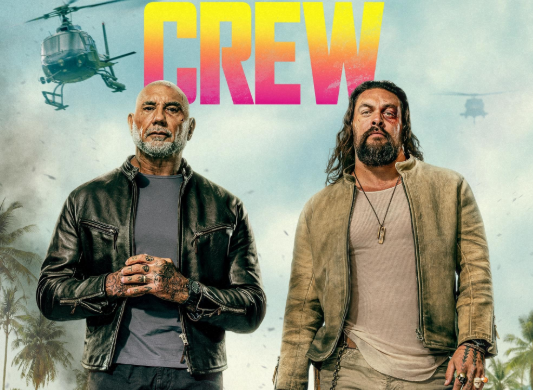
    The Wrecking Crew (2026)

    Two estranged half-brothers unwillingly have to work together to resolve their father’s murder.

    Great popcorn fun that does not disappoint for what it is.

    Loud, foul-mouthed, expensive, cheesy, occasionally funny, and completely unapologetic is about what it is. This is a full-on buddy action film packed with muscles, bullets, explosions, one-line antiheroes, and a plot that moves fast enough so you don’t spend too much time questioning anything. And honestly, that’s probably the best way to watch it.

    The film throws everything into the mix: a standard corporate-style English villain, yakuza involvement, brutal hand-to-hand combat, stylised shootouts, and even what feels like a clear tribute to Oldboy (2003) in one of the fight sequences. On top of all that, the film also incorporates elements of Hawaiian culture and traditions, which gives it a slightly different flavour from the usual urban action settings.

    Surprisingly, the film is technically very solid. Jonathan Tropper’s script and Angel Manuel Soto’s directing, Matt Flannery’s camerawork, and Mike McCusker’s editing are sharp, energetic, and clear – qualities that cannot always be taken for granted in modern action cinema, where quick cuts often destroy spatial awareness. Here, the action is easy to follow, the fights are well-staged, and the explosions are exactly as big as you want them to be in a film like this.

    Narratively, everything is standard. You have the reluctant allies, the tough guys with emotional baggage, the villains who underestimate them, the inevitable betrayals, and the final showdown. Nothing here will surprise you, but that’s not really the point. The point is to sit back and enjoy the ride.

    And for that, Dave Bautista and Jason Momoa – both also serving as producers as well as Matt Reeves (I know, right?) – are exactly the right people for the job. They have the physical presence, the comedic timing, and the on-screen chemistry required to carry a two-hour action spectacle without it collapsing under its own weight.

    Amazon’s The Wrecking Crew is not trying to reinvent cinema. It is trying to entertain you for two hours and make you forget your problems for a while. And in that respect, it does its job perfectly well. Enjoy it with all its flaws. After all, the real villains are not the ones on the screen anyway – they’re out there in offices, pulling this world’s ropes.

    Thanks for reading!

    Please, don’t forget to share. If you enjoy my work and dedication to film, please feel free to support me on https://www.patreon.com/kaygazpro. Any contribution is much appreciated and valued.

    Solidarity for all the innocent lives that suffer the atrocities of war!

    Stay safe!
    James Ivory

    0

    “I think you can study too much. I’ve seen that happen. Young people get immersed in the work of other directors and end up imitating them rather than finding their own identity. It’s important to see the work of as many directors as possible, but you must not become self-conscious. You have to accept that your first attempts are going to be quite rough compared to the finished works of great masters.”

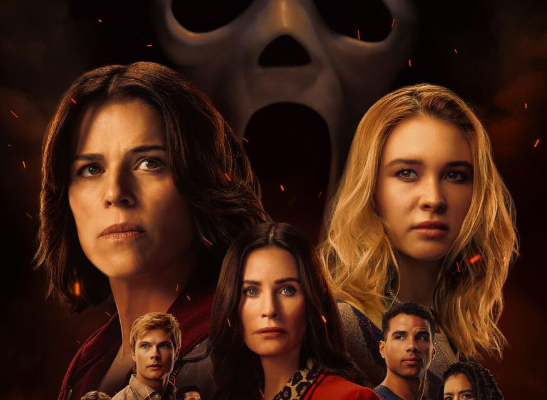
    Scream 7 (2026)

    Having disappeared from the spotlight for years, Sidney Prescott and her daughter become once more the Ghostface killer’s target.

    As flawed as it gets.

    Let me cut straight to the point. If you have seen Scream (1996), and you probably have, then structurally speaking, you have already seen this film too. The narrative blueprint remains almost untouched: horror and sentimentality alternate on cue, twists arrive exactly when expected, and the obligatory motive reveal tries very hard to feel shocking and original – even when it rarely is. And of course, the “rules of horror” return once again, as if they still have something profound to say. At this point, they really don’t. Nothing!

    Then we move to the characters, and here the formula becomes even more obvious. Horrible teachers, obnoxious teenagers – very much like the 90s ones, only now amplified by social media and modern technology – ineffective police, and journalists who smell a story the way flies find garbage. And naturally, everyone is a suspect. After all, it is a whodunit, right?

    The problem is that what Wes Craven created was lightning in a bottle. The original killers felt believable in a disturbing way – two unhinged teenagers who had watched too many horror films and lost touch with reality. As the series progressed, however, the Ghostface killers became increasingly elaborate masterminds who somehow still don’t seem to know how to use a knife properly, despite orchestrating entire murder sprees. At some point, the suspension of disbelief simply collapses. I would say after Scream 3 (2000).

    It is also difficult to ignore how characters in these films continue to survive injuries that would realistically leave people incapacitated. A little research into how the human body reacts to stabbing or gunshot wounds would probably go a long way in grounding the series again. But, I guess, nobody really cares.

    That said, it is only fair to mention that co-writer/director Kevin Williamson does improve things compared to the atrocious Scream VI (2023): https://kaygazpro.com/scream-vi-2023-horror-mystery-thriller/, and seeing Neve Campbell and Courteney Cox return – both also serving as executive producers – adds a sense of continuity, even if the film ultimately chooses the safe route rather than anything truly radical.

    But here lies the biggest issue for me: the characters often behave so irrationally and moronically that the audience stops fearing for them and starts wanting them to be eliminated (and in a gruesome manner) simply because they are indifferent and expendable. When that happens, horror turns into something else entirely – more spectacle than suspense.

    The mass audience has embraced it, though, and if you decide to watch it, you may as well have fun. But personally, I couldn’t help thinking that this story should have ended a long time ago. Meaning, the decade that it started.

    Thanks for reading!

    Please, don’t forget to share. If you enjoy my work and dedication to film, please feel free to support me on https://www.patreon.com/kaygazpro. Any contribution is much appreciated and valued.

    Solidarity for all the innocent lives that suffer the atrocities of war!

    Stay safe!

    Shelter (2026)

    A man, thought to be dead, must blow his cover to save a girl from dangerous people who want them eliminated.

    An emotional version of what you expect it to be.

    Shelter is, in many ways, exactly the kind of film you expect when you see Jason Statham (Mason) in the lead role. Tough, the best, mission-driven – but this time with a noticeable layer of sentimentality running underneath the action. Not overwhelming, not melodramatic, just enough to surface the feeling that the hero is human before he is unstoppable.

    A lot of that balance comes from director Ric Roman Waugh, who, after Greenland (2020): https://kaygazpro.com/greenland-2020-action-drama-thriller/ and Greenland 2: Migration (2026): https://kaygazpro.com/greenland-2-migration/, has shown he is more interested in humanising action heroes than turning them into one-liners with fists. His approach here is intimate, too. By mounting the camera over the shoulder and keeping us close to the character, he pulls the viewer into the story rather than presenting the action from a distant, spectacle-only perspective. You feel closer to the decisions, closer to the danger, and closer to the emotional stakes.

    The script by Ward Parry is tight and efficient. It builds suspense from the very beginning and unfolds naturally. Nothing particularly unexpected happens, and the film does not try to reinvent the genre, but importantly, nothing feels forced either. The story moves forward with confidence, knowing exactly what kind of film it wants to be.

    It was also particularly interesting to see Bill Nighy (Manafort) appear as a shadowy MI6 antagonist, especially for anyone who remembers him fighting that very system in “The Worricker Trilogy”: Page Eight (2011): https://kaygazpro.com/page-eight-2011/, Turks & Caicos (2014): https://kaygazpro.com/turks-caicos-2014/, and Salting the Battlefield (2014): https://kaygazpro.com/salting-the-battlefield-2014/. Here, he stands on the other side of the table, calm, controlled, and menacing.

    The real surprise of the film, however, is Bodhi Rae Breathnach (Jessie). After appearing in Hamnet (2025), she delivers a genuinely impressive performance here, bringing a lot of emotional weight to the film. Also against them, the very experienced stuntman Bryan Vigier (Workman) presents the threat as very real with his skills.

    In the end, Shelter is very much a Jason Statham film – he does what he does best – but it also invests in character and emotion just enough to give the action some meaning. It may not surprise you, but it will not disappoint you either.

    Thanks for reading!

    Please, don’t forget to share. If you enjoy my work and dedication to film, please feel free to support me on https://www.patreon.com/kaygazpro. Any contribution is much appreciated and valued.

    Solidarity for all the innocent lives that suffer the atrocities of war!

    Stay safe!
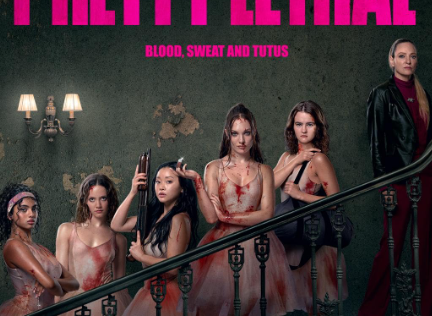
    Casino Royale (2006)

    0

    In the shower scene, the script had Vesper (Eva Green) wearing only her underwear. Daniel Craig (James Bond), however, disagreed, saying that after all she’d been through, she wouldn’t have taken the time to undress. So she kept her clothes on.

    The Lost Bus (2025)

    A wayward school bus driver is tasked with driving dozens of children to their parents, finding a way through one of California’s most devastating wildfires.

    The closest thing I have ever seen to a wildfire on screen.

    Not a stylised version of fire, not a dramatic interpretation – but something that feels real. From its opening moments, the film throws you straight into what can only be described as the beginning of hell on Earth: the sudden, uncontrollable emergence of a force that does not negotiate, does not hesitate, and does not forgive.

    The first act is genuinely horrifying. There is no slow easing into danger here. The wildfire arrives as an unstoppable presence, and director Paul Greengrass captures it with a ferocity that is almost overwhelming. His signature style – urgent, immersive, and deeply human – works perfectly in this context. What makes it even more effective is that he never loses sight of those left waiting, those watching, those not knowing whether their loved ones will make it out.

    That human angle carries through the film’s strongest subplot. Kevin McKay (Matthew McConaughey) is not just trying to survive the fire and save everyone on the bus; he is also struggling to earn his son’s respect while dealing with the constant pressure from his boss, Ruby (Ashlie Atkinson). The subplot here adds a layer of emotional tension that grounds the spectacle and, as mentioned, does what Greengrass does best. Alongside him, America Ferrera delivers a strong performance, contributing to a cast that feels fully committed to the material.

    But I have to admit, this one hit me on a personal level. Having faced wildfires myself – more times than I would ever like to admit – the film brought back something visceral. That suffocating fear, the relentless advance, the impossible decisions. Trying to protect your home, your family, even the animals around you, knowing that sometimes there is nothing you can do. Because that is the reality: wildfires are merciless. They do not discriminate. They consume everything in their path. And The Lost Bus depicts just that.

    It does not romanticise it. It does not soften it. It presents wildfire as what it truly is: one of nature’s most ferocious and relentless forces.

    For me, this is the first film that has come close to capturing that experience cinematically. And because of that, it is not just impressive – it is profoundly unsettling, and at times, almost too real.

    Thanks for reading!

    Please, don’t forget to share. If you enjoy my work and dedication to film, please feel free to support me on https://www.patreon.com/kaygazpro. Any contribution is much appreciated and valued.

    Solidarity for all the innocent lives that suffer the atrocities of war!

    Stay safe!
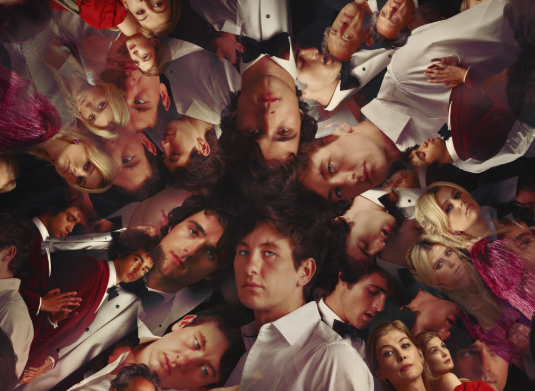
    Inside Charlie Kaufman’s Head

    0

    Charlie Kaufman dissects existence. From Being John Malkovich to I’m Thinking of Ending Things, Kaufman turns memory, love, and mortality into surreal allegories. His worlds feel bleak, yet they make us laugh, cry, and confront the uncomfortable truth of being human. Do his films leave you hopeless… or strangely comforted?

    Image References: IMDb

    François Truffaut

    0

    “All film directors, whether famous or obscure, regard themselves as misunderstood or underrated. Because of that, they all lie. They’re obliged to overstate their own importance.”

    The Surrender (2025)

    When a man dies, his wife and daughter call someone to perform a dark ritual that will bring him back from the dead.

    Flawed, yet intriguing and dark.

    Well, it cuts right to it. Its opening scene immediately pulls you in, planting a question that lingers throughout: what is that – and how on earth are we going to get there? It’s a confident start, and one that signals the kind of journey writer/director Julia Max is interested in taking us on.

    Beneath the horror lies something dramatic, yet very much human. The film taps into the devastation of watching someone you love deteriorate – someone who was once strong, almost invincible, now reduced to fragility and suffering. That helplessness, that inability to do anything about it… It hurts. And that pain becomes the very foundation upon which Max builds her horror. Not shock, not spectacle – love. Unconditional love, slowly mutating into something darker.

    Because, of course, humanity has always flirted with the idea of cheating death. From ancient civilisations to modern pseudoscience – and even legitimate scientific ambition – we keep asking the same question: can we bring people back? Cinema has explored this obsession time and again, from Re-Animator (1985), Pet Sematary (1989/2019), Flatliners (1990),  A Dark Song (2016): https://kaygazpro.com/a-dark-song-2016-drama-fantasy-horror/Birth/Rebirth (2023): https://kaygazpro.com/birth-rebirth-2023-drama-horror-thriller/. And the pattern is always the same: grief becomes obsession, love becomes control, and reason slowly gives way to something irrational, metaphysical… and dangerous. The Surrender follows a similar path to A Dark Song, but the latter is more “dangerous” as it actually follows, almost to the letter, the ritual that one can allegedly use to bring someone back from the dead (known as the Abramelin Operation). Yeah, please don’t try it at home…

    I also have to mention the casting. Colby MinifieKate BurtonVaughn Armstrong, and Neil Sandilands feel like real people. Not polished, not idealised – just human. And that quality makes everything that unfolds far more unsettling and way out of Hollywood-looking.

    Narratively, the film delivers on its promise. Barbara, in particular, is almost infuriating in her narcissism, but she is also essential. Without her, the ritual – and the consequences that follow – would never unfold.

    Yes, there are small imperfections here and there, the kind that a slightly bigger budget might have smoothed out. But honestly, that feels secondary. What matters is that Max and Shudder craft a horror film that raises questions and provides plenty of food for thought. One that feeds on guilt, on grief, on the endless “what ifs,” “should haves,” “could haves,” “would haves,” and “if onlys” that tend to haunt us long after loss.

    And that, in many ways, is far more terrifying than anything supernatural. Be it purgatory, the underworld, or even who/what comes back from these places.

    Thanks for reading!

    Please, don’t forget to share. If you enjoy my work and dedication to film, please feel free to support me on https://www.patreon.com/kaygazpro. Any contribution is much appreciated and valued.

    Solidarity for all the innocent lives that suffer the atrocities of war!

    Stay safe!
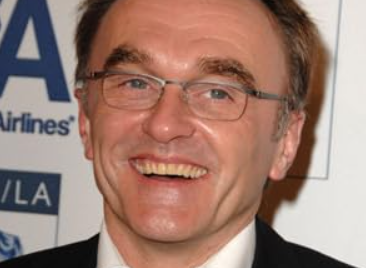
    Gravity (2013)

    0

    The film’s opening shot, from the view of Earth to Dr Stone detaching, is a continuous 12.5-minute-long take.