More
    Home Blog

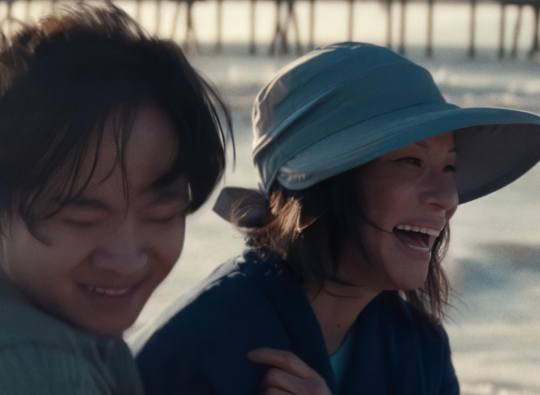
    Rosemead (2025)

    A mom who suffers from cancer is desperately trying to help her struggling kid cope with life, but things only get worse.

    Soulwrenching!

    From the very first minutes, I felt something tightening in my chest. It is not the kind of film that shocks you suddenly; instead, it slowly removes the air from the room. Watching Lucy Liu (Irene), I could almost feel the dread building scene by scene, the quiet sense that something awful is approaching, and there is nothing anyone can do to stop it.

    The film is based on a heartbreaking real-life story first explored in a piece by Frank Shyong (also executive producer) for the Los Angeles Times. Writers Marilyn Fu and co-writer/producer/director Eric Lin approach the material with visible care and respect, developing a narrative that never exploits the family’s tragedy. Instead, the film patiently examines the emotional landscape of a struggling mother and her deeply troubled son, both overwhelmed by illness, fear, and isolation.

    On the surface, the pain is obvious: watching a parent trying desperately to help a child who is slipping away. But the deeper agony lies in the question hovering over the entire film – where Joe’s growing obsession with mass shooters might lead. Combined with cultural barriers and communication gaps, the story becomes a slow-burning time bomb.

    And Lucy Liu (also producer) pins us down every time she’s on screen. I have always admired her work, both in front of and behind the camera, but here she reaches another level entirely. In Presence (2024): https://kaygazpro.com/presence-2024/, she delivered an impressive dramatic turn, particularly toward the end. Rosemead, however, asks her to begin at that emotional intensity and then keep climbing. What she delivers may well be the most heartbreaking performance of her career.

    Which inevitably leads me to one of my recurring frustrations. When performances like this appear in smaller independent films, the big awards bodies – Academy Awards, BAFTA Awards, Golden Globe Awards – often seem to vanish. And the loud voices stop when it comes to speaking up for real struggles within the country. But awards feel secondary here…

    Rosemead is an emotionally heavy film, deeply disturbing at times, but always respectful. It forces us to confront uncomfortable realities about mental illness, parental desperation, and a society where school shooting drills have become routine preparation for tragedies that might come from within the very classrooms being trained to survive them.

    Huge congratulations to all cast and crew who took part in it, and to the Chinese and Chinese-American producers who united to make that film possible. The congratulations extend to the rest of the producers, like Theo James, who also supported them along the way. It is not an easy film to watch. But it is one that matters.

    Thanks for reading!

    Please, don’t forget to share. If you enjoy my work and dedication to film, please feel free to support me on https://www.patreon.com/kaygazpro. Any contribution is much appreciated and valued.

    Solidarity for all the innocent lives that suffer the atrocities of war!

    Stay safe!
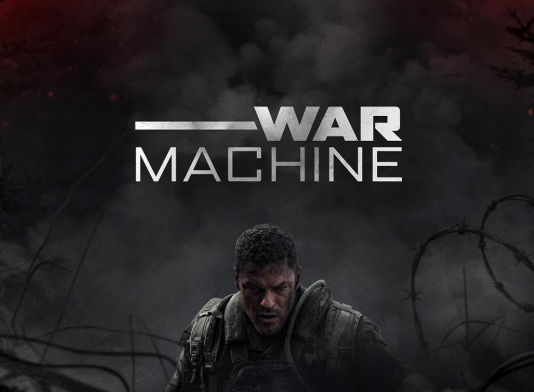
    War Machine (2026)

    The final recruits of the ranger selection course put up against an otherworldly machine that hunts them down.

    Standard Hollywood recipe, made in Australia.

    So… writer James Beaufort and co-writer-director Patrick Hughes’ film arrives with all the familiar hallmarks of the modern military action spectacle: elite soldiers, brutal training sequences, shadowy threats, and a hero whose reputation precedes him. The film clearly draws inspiration from classics such as Predator (1987), and not particularly subtly. Certain shots and staging choices almost feel like visual nods to that iconic film, though War Machine ultimately follows its own, far more conventional path.

    The training sequences, which appear to take inspiration from the harsh realities of Ranger-style selection courses, aim for realism but never quite achieve it. Rapid editing, constant standard action music, and a somewhat formulaic presentation prevent the audience from truly feeling immersed in the physical and psychological intensity of the training itself. Instead of experiencing the exhaustion and pressure alongside the recruits, viewers are “urged” to sit back and enjoy their popcorn as they watch a carefully constructed montage. Protracted tracking shots and emphasis on diegetic sound (natural sound) would have changed that.

    Speaking of, that reliance on music becomes a recurring issue throughout the film. Rather than allowing tension, drama, or character moments to breathe, the soundtrack frequently steps in to instruct the audience on how they should feel at any given moment.

    Still, the film benefits greatly from the presence of Alan Ritchson, who delivers a solid and convincing performance as the central figure – “81.” He carries the physical and emotional weight of the role with confidence. The script, however, insists on reinforcing his legendary status through other characters repeatedly telling us how remarkable he is. Dennis Quaid, playing Sheridan, pushes this especially hard, praising the hero so persistently in the end that the myth-building starts to feel forced. Like, shoved down your throat.

    The result is a hero’s journey that follows the narrative textbook almost too faithfully. Every expected beat appears exactly where one would anticipate it, giving the impression that the filmmakers were determined to tick Joseph Campbell’s every structural box.

    Yet despite these narrative shortcomings, Netflix’s War Machine remains entertaining. The action sequences are genuinely well-executed, energetic, and plentiful. If one approaches the film less as a character-driven drama and more as a straightforward action ride, there is plenty to enjoy.

    An interesting off-screen note highlights another aspect of the industry’s impact. According to IMDb, filming in Victoria, Australia, generated over 2,100 local jobs and contributed roughly $73 million to the regional economy – one of the quieter but significant benefits of large-scale film production beyond the spectacle seen on screen.

    P.S. The sequel is in development.

    Thanks for reading!

    Please, don’t forget to share. If you enjoy my work and dedication to film, please feel free to support me on https://www.patreon.com/kaygazpro. Any contribution is much appreciated and valued.

    Solidarity for all the innocent lives that suffer the atrocities of war!

    Stay safe!

    Relay (2024)

    A whistleblower uncovering a corporate conspiracy finds herself hunted, forcing her to seek help from an unconventional agency.

    Excels in almost every department.

    Conspiracy thrillers live or die by a very specific architecture. They require an enemy powerful enough to feel untouchable, a protagonist vulnerable enough to be hunted, and an underworld deep enough to swallow anyone who dares to expose it. Relay understands this structure well and assembles most of the classic ingredients: ruthless corporations, surveillance networks, intimidation tactics, and the constant feeling that unseen forces are quietly pulling the strings.

    Right in the middle of it is a compelling figure – an intelligent and attractive protagonist who is unwillingly drawn into a dangerous subterranean world. That descent into the “underworld” is one of the defining pleasures of conspiracy cinema. How deep does it go? How powerful is the organisation behind it? How illegal are their actions, and how far are they willing to go to silence anyone who threatens them? These questions form the engine of the subgenre.

    But conspiracy thrillers must maintain a delicate balance. The intrigue that sets the story in motion is only half the equation; the other half is the depth of the conspiracy itself and the magnitude of the stakes. Who exactly is the victim, and what truth have they uncovered that makes them a target? But then, who stands beside them, what skills do they bring to the fight, and how far are they willing to go to help? That is the counterbalance.

    This balance – between mystery and payoff – is where writer Justin Piasecki and director David Mackenzie’s film occasionally struggles, though. At times, the film feels like a modern cousin of The Pelican Brief (1993), complete with investigative turns, looming corporate power, and the constant threat of erasure. Yet while the narrative builds toward something dark and morally unsettling, the final act softens that darkness somewhat. The conclusion, while satisfying on a surface level, edges into territory that feels slightly less believable than the gritty world the film initially establishes. That said, Relay remains undeniably engaging. The pacing is sharp, the tension persistent, and the film understands how to sustain suspense without offering easy solutions. Then, Riz Ahmed, Lily James, Sam Worthington, and Willa Fitzgerald perform incredibly well in their roles.

    What’s always important to remember is that corporate life-threatening crises are orchestrated by individuals who are highly educated, highly respected, and outward pillars of society. After all, cinema has long been suspicious of the word “corporate.” Rarely does it appear alongside anything virtuous. Dark Waters (2019): https://kaygazpro.com/dark-waters-2019-biography-drama-history/, Crisis (2021): https://kaygazpro.com/crisis-2021-drama-thriller/, Tetris (2023): https://kaygazpro.com/tetris-2023/, Kombucha (2025): https://kaygazpro.com/kombucha-2025/, Bugonia (2025): https://kaygazpro.com/bugonia-2025/, and more have intruigingly delved into the corporate darkness.

    Relay leans into that tradition, portraying institutions built by elites as towering structures, emphasising the rotten pillars that carry the stench of a perfume that smells nice only up there.

    Thanks for reading!

    Please, don’t forget to share. If you enjoy my work and dedication to film, please feel free to support me on https://www.patreon.com/kaygazpro. Any contribution is much appreciated and valued.

    Solidarity for all the innocent lives that suffer the atrocities of war!

    Stay safe!
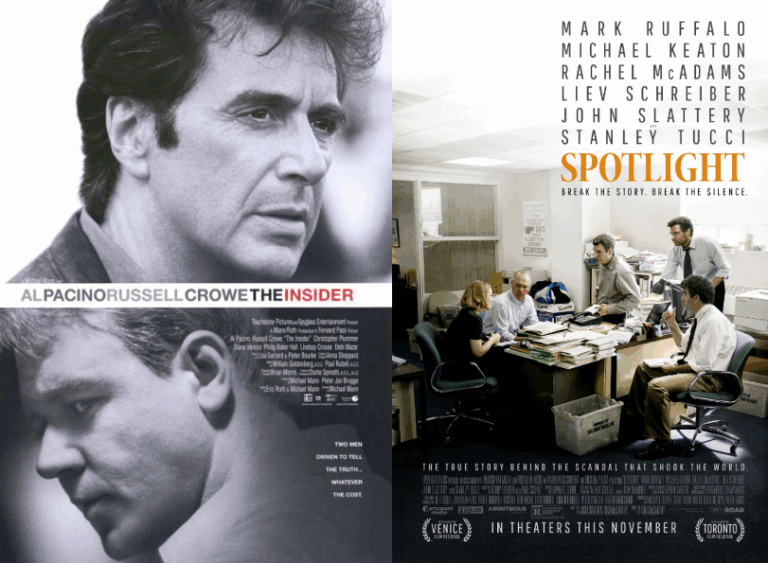
    Truth vs. Institution: The Power of Voice in Cinema

    0

    From The Insider to Erin Brockovich and Dark Waters, cinema has given us stories of ordinary people daring to take on corporations, institutions, and systems designed to silence them. These films “shout” that courage, persistence, and clarity can spark change – even when the odds feel impossible. In a world full of distractions, their message is clear: never underestimate the power of one voice.

    Image References: IMDb

    The Plague (2025)

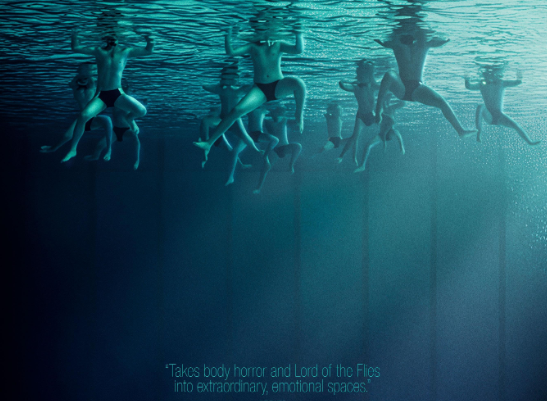
    In a water polo camp team, a couple of teenagers must endure the bullying of their teammates.

    Very… very… slow… The Plague is one of those slow-burn films that places enormous faith in atmosphere and gradual character development. The lengthy first act carefully introduces its young protagonists, establishing the fragile social ecosystem they inhabit: who dominates, who submits, who bullies, and who becomes the inevitable victim. It is a patient opening, perhaps even an admirable one, as the film clearly wants us to understand the dynamics between these kids before anything truly dramatic unfolds.

    The problem is that very little does unfold. For over an hour, the narrative moves cautiously or reluctantly, if you may, toward a promised escalation that never quite arrives. The film repeatedly signals that something ominous is approaching, but those signals come primarily from the soundtrack rather than the story itself. Johan Lenox’s music, with its dissonant vocal textures and occasionally arrhythmic structures, evokes the minimalist unease associated with the one and only Philip Glass. Writer/director Charlie Polinger constantly suggests that something terrible is just around the corner. Yet the narrative rarely matches that promise.

    Instead, the film presents sequence after sequence of childish cruelty. Bullying, in all its ugly forms, becomes the central spectacle. And while these moments are undeniably unpleasant – and convincingly performed by all youngsters – they ultimately circle around familiar questions. Why does bullying happen? What role do parents, teachers, or coaches play in preventing it? Why is intervention so often insufficient? And most importantly: what is the solution?

    Unfortunately, the film does little to move beyond raising those questions. This creates an odd imbalance. The elements surrounding the narrative are genuinely impressive. The young cast delivers strong, believable performances. The cinematography is often beautiful, capturing the uneasy youth in carefully composed images. And the music, by far the most striking component, continuously hints at psychological depth.

    But the story itself struggles to justify the long build-up. When a film spends so much time promising a meaningful culmination, the absence of one becomes difficult to ignore. The slow-burning coming-of-age structure ultimately leads to a climax that feels familiar and dramatically underwhelming. Actually, that climax reminded me of one of my favourite films of all time, Swing Kids (1993); it just didn’t work the same way here.

    It almost feels unfair to criticise a film that clearly demonstrates craft and sincerity. Yet sometimes strong performances, elegant visuals, and thoughtful music cannot fully compensate for a narrative that never quite finds its destination.

    Thanks for reading!

    Please, don’t forget to share. If you enjoy my work and dedication to film, please feel free to support me on https://www.patreon.com/kaygazpro. Any contribution is much appreciated and valued.

    Solidarity for all the innocent lives that suffer the atrocities of war!

    Stay safe!
    Bad Genius (2024)

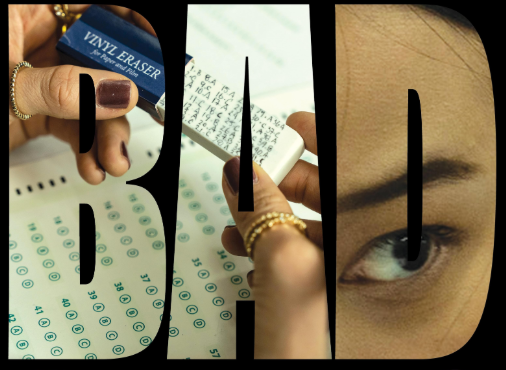
    A team of ambitious high school seniors band together to outsmart a highly sophisticated college admissions system.

    Intense and provocative, but there is a “but”… Remakes and adaptations are tricky beasts. When filmmakers revisit a successful film, the challenge is not simply to replicate the original but to reinterpret it. The questions are simple but crucial: what exactly are you adapting, how are you adapting it, and – perhaps most importantly – for whom?

    Bad Genius, directed by J. C. Lee, answers those questions with confidence, but raises some concerns – I’ll get there. The film reimagines the Thai original, Bad Genius (2017), which revolved around academic cheating and the social inequalities driving it. In Thailand, the narrative’s engine was primarily class struggle. Wealth and privilege collided with talent and necessity, creating a morally murky battlefield where cheating felt less like a crime and more like an act of rebellion against a rigged system.

    The American adaptation keeps that skeleton but adds another layer to the equation: race. Here, the contrast becomes sharper – rich white kids with money but questionable intellect versus underprivileged minority students armed with brains, ambition, and a sense of moral conflict. It is, admittedly, a loaded dynamic. Privilege versus struggle. Comfort versus survival. People who already have everything, trying to squeeze even more out of those who have almost nothing. Hard to pick sides, isn’t it?

    And yet, as a piece of entertainment, the film works remarkably well. It is extremely suspenseful, particularly during the cheating sequences. The montage scenes – where strategy, timing, and academic deception unfold like a heist movie – are the film’s beating heart. Through tight editing that emphasises precision, pulsating music, and clever visual rhythm, the film transforms exam halls into arenas of tension. It’s remarkable how much suspense can be squeezed out of pencil scratches and ticking clocks.

    Technically speaking, the film is in very good hands, and Callina Liang, Benedict Wong, Jabari Banks, Taylor Hickson, Samuel Braun and the rest of the cast deliver strong, convincing performances across the board. The script also develops its central scheme effectively, allowing the story to escalate without collapsing under its own cleverness. As it escalates, it stumbles a bit, though, for that reason, especially in the end.

    My only reservation, and the aforementioned “but” lies in how blunt some of the social commentary feels. The racial distinctions – white equals privileged, non-white equals underprivileged – are occasionally presented a little too forcefully, as if it’s black and white. Reality, as we all know, tends to operate in far more complicated shades of grey. It feels better when the audience understands for themselves rather than being presented with chewed food.

    Still, beneath the thrills lies an interesting moral core. Regardless of IQ, teenagers (adults, too) remain naïve creatures navigating systems much larger than themselves. And the film raises yet another question: when it comes to elite universities, are we really talking about education – or simply about status?

    Prestigious universities often function as powerful signals of status and access rather than pure indicators of intellectual ability. Once graduates enter the real world, however, reputation alone rarely guarantees success. Adaptability, creativity, and emotional intelligence matter far more than institutional prestige – raising the question of whether education today is about learning or social positioning. But that is a whole different can of worms. Enjoy the film!

    Thanks for reading!

    Please, don’t forget to share. If you enjoy my work and dedication to film, please feel free to support me on https://www.patreon.com/kaygazpro. Any contribution is much appreciated and valued.

    Solidarity for all the innocent lives that suffer the atrocities of war!

    Stay safe!
    It Ends (2025)

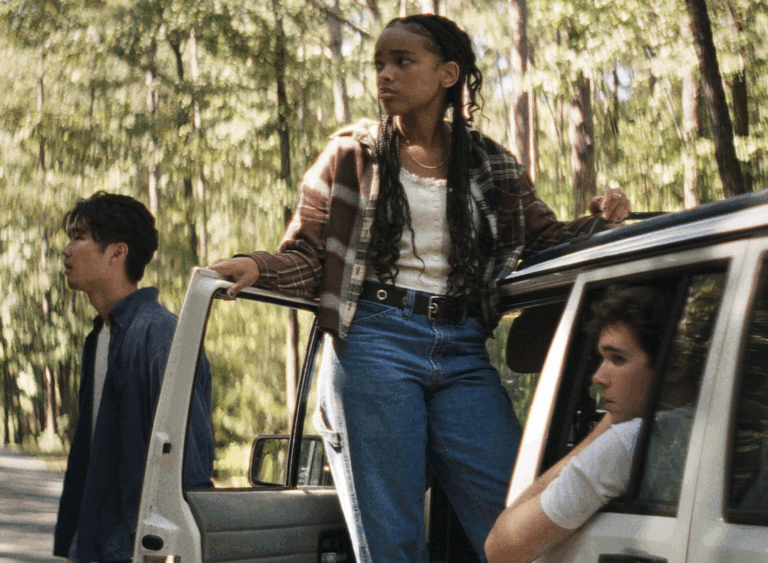
    Four friends get trapped on a country road that never ends, surrounded by a forest where horrors lurk.

    Interesting concept and execution with an ending that is doubtful. Science fiction has long flirted with the illusion of intellectual puzzles – loops, paradoxes, fractured timelines – but beneath the mechanics, there is often something far more human at work. A moral weight. A quiet, gnawing guilt. It Ends is about loops, so focusing on that, think of films such as Dead End (2003): https://kaygazpro.com/dead-end-2003-adventure-horror-mystery/, Coherence (2013): https://kaygazpro.com/coherence-2013-mystery-sci-fi-thriller/, Vivarium (2019): https://kaygazpro.com/vivarium-2019-horror-mystery-sci-fi/, or the latest Exit 8 (2025): https://kaygazpro.com/exit-8-2025/ films whose main idea spawned from no other than Groundhog Day (1993). Different premises, different tones, yet the same thematic undercurrent: characters trapped not only by circumstance but by something weighing on their conscience.* It Ends, written and directed by Alex Ullom, clearly belongs to this lineage.

    The film places four young people inside an ongoing car journey where stopping – quite literally – is not an option. Should they do so, something unpleasant awaits (no spoilers here). It is a deceptively simple setup, one that relies less on spectacle and more on performance, dialogue, and rhythm. Ullom leans heavily into pseudorealistic exchanges between the characters, grounding the increasingly bizarre situation in recognisable human behaviour. The performances sell this approach beautifully. Mitchell Cole, Akira Jackson, Noah Toth, and Phinehas Yoon’s conversations feel messy, anxious, and occasionally evasive, hinting at deeper tensions simmering (or boiling) beneath the surface.

    Where the film becomes particularly interesting is in its structural gamble. About halfway through, the tone, pacing, and narrative rhythm shift rather abruptly. One could argue that Ullom is attempting to address the inherent repetition that comes with this kind of premise – an issue familiar to fans of time-loop or circular narratives. Whether the shift works is largely subjective. Some viewers may find it refreshing; others may feel momentarily disoriented. Thankfully (for me, at least), the film evolves again before it settles into its final act. Which brings us to the ending…

    Does the third act justify the build-up? That depends entirely on the viewer. Without revealing specifics, the climax invites a wide spectrum of interpretations. Dramatic? Possibly. Satirical? Perhaps. Meaningful? Pointless? If I were to analyse the film with spoilers on the table, discussions could easily drift into themes of nihilism, futilism, teleology, or the eternal tension between reality and expectation.

    What can safely be said is that It Ends is technically impressive, considering its low budget. The pacing is sharp, the editing careful, the direction confident, and the performances consistently strong. The story itself is solid, though the narrative structure arguably could have borrowed a page from Dead End, where consequences unfold relentlessly throughout the journey rather than arriving more selectively or not at all. This may well explain the film’s mixed reactions.

    Still, for fans of the aforementioned puzzle-box science fiction films – as I certainly am – It Ends is absolutely worth the ride. Watch it and judge for yourselves.

    *If mind-bending films are your thing, here’s an analysis I made some time ago:

    Indie, Low Budget, and Utterly Mind-Bending: https://kaygazpro.com/indie-low-budget-and-utterly-mind-bending/

    Thanks for reading!

    Please, don’t forget to share. If you enjoy my work and dedication to film, please feel free to support me on https://www.patreon.com/kaygazpro. Any contribution is much appreciated and valued.

    Solidarity for all the innocent lives that suffer the atrocities of war!

    Stay safe!
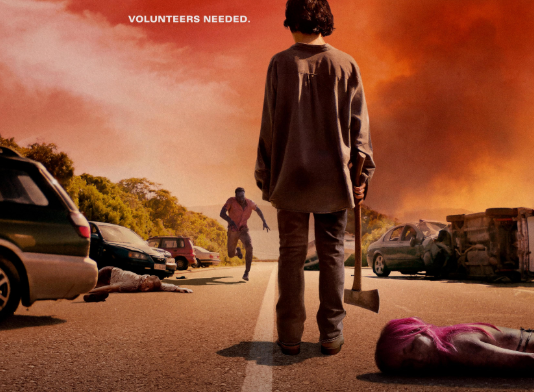
    We Bury the Dead (2024)

    A woman travels to Tasmania in search of her husband after an American weapon of mass destruction killed the whole population… but brought some back.

    Dramatic and horrific, but, in the end, undecided. Ah, the familiar revelation: the American government is responsible for a catastrophe somewhere else. Shocking, right? Well, it makes for a good cinematic horror, so let’s see how effective it is.

    We Bury the Dead is not Hollywood. It is a proud Australian production, and that difference matters. Instead of focusing on the outbreak itself or the frantic survivalism typical of zombie cinema, the film explores something more unusual – the psychological aftermath of a partially zombified world, with a hint of survival action.

    Because it comes from outside Hollywood, the narrative carries a certain unpredictability. The storytelling choices – both narratively and audiovisually – refuse to follow the conventional template of the zombie subgenre. Writer/director Zak Hilditch deliberately shifts attention away from spectacle and toward emotional consequence. And that makes the film surprisingly difficult to discuss without spoiling it.

    For much of the runtime, the threat remains largely undefined. The horror elements often step aside to allow the drama and thriller components to dominate. Questions naturally arise: Does the condition spread? Can the returned harm the living? What happens if someone is bitten? The film plays with these expectations by withholding clear answers. Instead, it focuses on one question that it does address, but with ambiguity and no definite scientific data (because they don’t know either): why did some come back while others did not – and why are those who returned… different?

    At the centre of it all is Daisy Ridley. Whatever she touches tends to shine, and this film is no exception. Ridley anchors the story with intended intensity, carrying the emotional weight of a narrative that is far more personal than apocalyptic. Her performance defines the character-driven journey through grief, love, and persistence.

    In many ways, the film is less about zombies and more about a heroine’s journey – one propelled by a painful personal subplot that sets the story in motion. Along the way, both human and undead horrors interfere with that quest. The closest tonal comparison might be New Life (2023): https://kaygazpro.com/new-life-2023/ – independent American or Outside (2024): https://kaygazpro.com/outside-2024/ from the Philippines – genre pieces that prioritise emotional tension over spectacle.

    We Bury the Dead may not be the zombie film audiences expect, but it is a compelling cinematic experience nonetheless. Thoughtful, unsettling, and anchored by a commanding lead performance, it leaves an impression throughout, but also an ending that lacks the cliffhanger the audience may expect or that feeling when our jaws will hit the floor.

    Hilditch has made one of my favourite apocalyptic films of all time, and in my opinion, it still is his best work yet: These Final Hours (2013): https://kaygazpro.com/these-final-hours-2013-drama-sci-fi-thriller/

    P.S. The teeth-grinding will get under your skin every single time.

    Thanks for reading!

    Please, don’t forget to share. If you enjoy my work and dedication to film, please feel free to support me on https://www.patreon.com/kaygazpro. Any contribution is much appreciated and valued.

    Solidarity for all the innocent lives that suffer the atrocities of war!

    Stay safe!
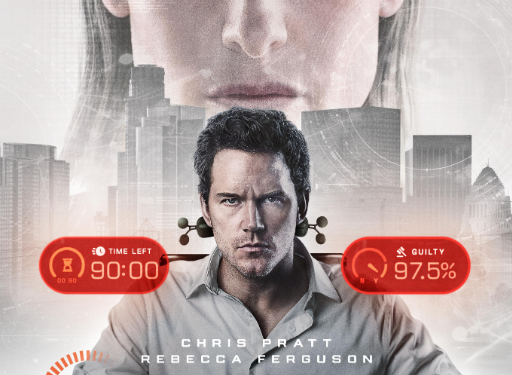
    Mercy (2026)

    A detective races against time to prove to an AI judge that he did not kill his wife, while gradually uncovering that there is something much larger at stake.

    Justice through the lens… Mercy unfolds almost entirely through cameras – surveillance feeds, body cams, security grids – constructing a whodunit sci-fi/action/thriller that understands the grammar of modern technological paranoia. From the whodunit point of view, the question is not simply who committed the crime, but who controls the narrative of “truth” when every angle is recorded.

    Led by solid performances from Chris Pratt, Rebecca Ferguson, and Kali Reis, the film delivers dependable star power. No one is reinventing their screen persona here, but each performance does what it needs to do to keep the machinery running.

    Behind the whodunit lies the elevation of AI as a trusted arbiter of justice. Algorithms don’t lie – or so we are told. But how many questions does that assumption raise? Who programs the system? Who defines threat? Who audits the code? Whatever happened to privacy? The film gestures toward these anxieties without fully dissecting them, yet their presence is unmistakable. Writer Marco van Belle and director Timur Bekmambetov, in that sense, do not invest in the substance of it but in the spectacle it causes.

    The legacy of Steven Spielberg hovers over the project, particularly his prophetic engagement with predictive justice in Minority Report (2002)*. The comparison is inevitable. Like Spielberg’s film, Mercy taps into contemporary fears about surveillance, automation, and pre-emptive punishment – though it rarely dives as deep or reaches Minority Report‘s standard.

    I was reminded of the early days of Bekmambetov after Night Watch (2004), when he was hailed as visionary. Hollywood has a remarkable ability to identify bold stylists – and an equally remarkable tendency to streamline them into mass-market efficiency. Shall I dare say, a meat grinder that demands from great filmmakers to produce mincemeat for public consumption.

    None of this means Mercy is not worth watching. Au contraire, it is polished, kinetic entertainment. It grips you for its brisk ninety-plus minutes, delivers spectacle, and then releases you back into your evening. A quintessential popcorn thriller – not because it is poor, but because its script prioritises momentum over meditation. Ironically, the film’s societal messages may spark next-day conversations – not due to profound exploration, but because the issues themselves are urgent and current.

    Engaging? Yes. Enduring? Perhaps not.

    *If you are interested, here’s an analysis I made a few years ago about the impact of Minority Report and the power of cinema:

    Minority Report: Visual Effects and Storytelling: https://kaygazpro.com/minority-report-2002-action-crime-mystery/

    Thanks for reading!

    Please, don’t forget to share. If you enjoy my work and dedication to film, please feel free to support me on https://www.patreon.com/kaygazpro. Any contribution is much appreciated and valued.

    Solidarity for all the innocent lives that suffer the atrocities of war!

    Stay safe!
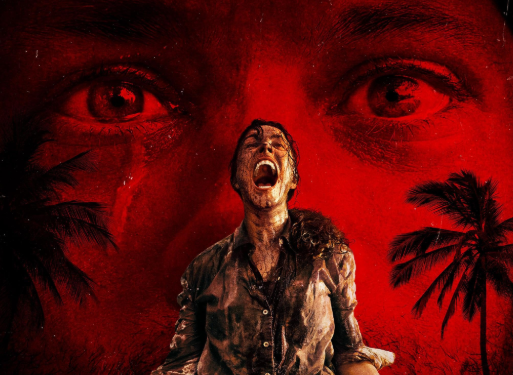
    Send Help (2025)

    After they crashland on a remote island, a psychopathic employee and her narcissistic boss must put their differences aside to survive.

    Chaos that will make you laugh out loud! Blending comedy with thriller/horror is notoriously difficult. One misstep and the tone collapses into parody or self-serious absurdity. But this balancing act has long been part of director Sam Raimi’s cinematic DNA – The Evil Dead franchise, anyone? It’s practically his trademark. And while he hasn’t always landed the mixture perfectly, Send Help proves he still knows how to juggle dread and laughter in the same breath.

    Writers Damian Shannon and Mark Swift provide Raimi with sturdy material: solid characters, surrealistic tribulations, clever temporary solutions – and then even bigger problems that render those solutions useless. The film thrives on escalation. Just when you think stability has been restored, it pulls the rug out again.

    Linda (Rachel McAdams) is a volatile force of nature, shifting constantly from heroine to antiheroine to full-blown unhinged villain and back again. The speed of her emotional transitions becomes part of the film’s rhythm. McAdams handles these pivots with impressive control, allowing even her most extreme turns to feel believable within the heightened world Raimi constructs.

    Opposite her, Bradley (Dylan O’Brien) is brilliantly insufferable – an obnoxious, narcissistic, entitled boss whose grating personality never softens – only pretentiously. O’Brien leans into the character’s worst qualities without hesitation. Watch the small details: the exaggerated open-mouthed laugh, the micro-expressions of smugness.

    Tonally, as said in the beginning, Send Help feels tightly calibrated. The comedy never fully undercuts the horror, and the horror never suffocates the absurdity. Instead, they feed off one another, creating a surreal loop of tension and release that keeps you on the edge of your seat while sometimes making you laugh. There are quite a few highly unlikely or even impossible moments throughout the film, but surely you can turn a blind eye. Realism is most definitely not its endgame.

    The film has drawn comparisons to Triangle of Sadness (2022) – an observation worth revisiting with a fresh eye – I need to watch it again. While the thematic parallels are obvious, the cinematic techniques and genre conventions remain open for debate. I’ll come back for that soon. What is certain is this: Send Help understands its own chaos. It commits. And in doing so, it delivers a sharp, entertaining horror/comedy that is arguably the best one we’ve seen in years.

    Thanks for reading!

    Please, don’t forget to share. If you enjoy my work and dedication to film, please feel free to support me on https://www.patreon.com/kaygazpro. Any contribution is much appreciated and valued.

    Solidarity for all the innocent lives that suffer the atrocities of war!

    Stay safe!
    David Cronenberg

    0

    “I think of horror films as art, as films of confrontation. Films that make you confront aspects of your own life that are difficult to face. Just because you are making a horror film doesn’t mean you can’t make an artful film.”

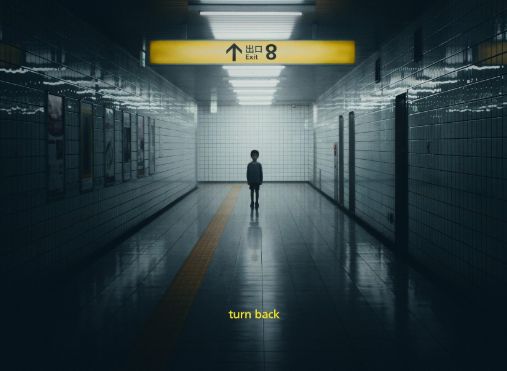
    Exit 8 (2025)

    On his way out of a subway station, a man gets trapped in a loop, with bizarre elements that point to a potential way out.

    The horror of our life’s loop… Adapted from the 2023 video game The Exit 8 by Kotake Create, Exit 8 transforms a deceptively simple premise into a horrific psychological maze. Writer Kentaro Hirase and co-writer/director Genki Kawamura, with backing from Neon, deliver a minimalist yet suffocating experience of the labyrinthine nature of mundane everyday life – the kind that slowly, almost politely and with rewards, eats us alive.

    The film captures the game’s core philosophy: observation is survival. Notice the anomalies. Trust your instincts. Or suffer the consequences. What sounds simple becomes existentially exhausting, and that is precisely where the film finds its voice. And this is where Return to Silent Hill (2026): https://kaygazpro.com/return-to-silent-hill-2026/ and other adaptations have failed. They did not adapt the spirit of the original sources and went for the spectacle.

    Kazunari Ninomiya (Lost Man) and Yamato Kôchi (Walking Man) deliver controlled, effective performances that match the film’s restrained but oppressive tone. There is very little theatricality here – and that works in the film’s favour. The horror is not loud; it is procedural, repetitive, and psychologically merciless.

    Exit 8 is one of those experiences that benefits from going in blind. What can be said is this: the film is claustrophobic, meticulously orchestrated, and intellectually uncomfortable in the best possible way. It functions as artistic guilt-tripping, a sad social wake-up call, and a philosophical endurance test all at once.

    Like its source material, the film leans heavily into a Sisyphean purgatory – repetition as punishment, routine as prison, awareness as the only possible escape. In the end, it leaves us with a question that echoes long after the credits scroll down: Do second chances really exist… if we actually assume that there are first ones to begin with?

    Thanks for reading!

    Please, don’t forget to share. If you enjoy my work and dedication to film, please feel free to support me on https://www.patreon.com/kaygazpro. Any contribution is much appreciated and valued.

    Solidarity for all the innocent lives that suffer the atrocities of war!

    Stay safe!

    Twisted Childhood Universe: Blood & Rampage

    0

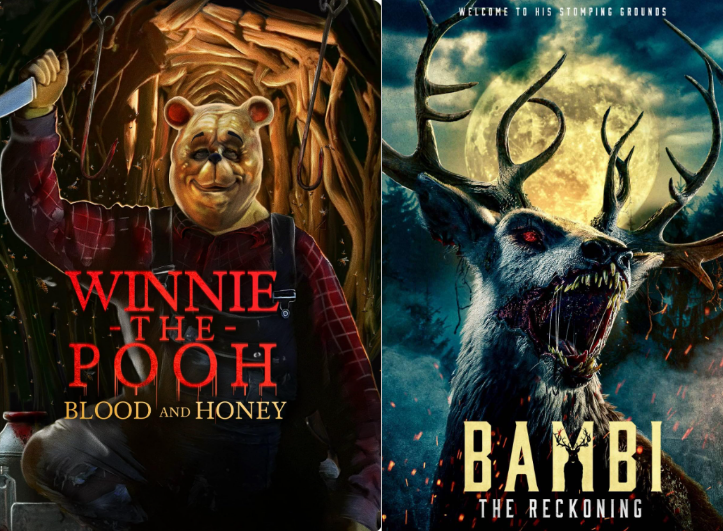
    From Winnie the Pooh: Blood and Honey to Bambi: The Reckoning, the Twisted Childhood Universe takes beloved childhood icons and turns them into horror nightmares. But why do these films exist? What do they say about nostalgia, culture, and our appetite for twisted entertainment?

    Image References: IMDb

    A House of Dynamite (2025)

    0

    When a nuclear mission is launched against a US city, a race begins to find ways to stop it from finding a target.

    Suspenseful… Until it isn’t. Now, why is that…

    Act 1 is, quite simply, a masterclass in tension building. Writer Noah Oppenheim and director Kathryn Bigelow construct one of the most globally terrifying scenarios with clinical efficiency. From the opening moments, the film pins you to your seat. Script, editing, and directing operate with the precision of a Swiss watch. The central questions land hard and fast: Who launched the missile? Why? How is it possible that nobody seems to know anything? And perhaps most unsettling of all – why aren’t the supposedly infallible defence systems enough to stop a “bullet with a bullet”?

    Act 2 largely sustains that momentum. Even though the audience has already absorbed the magnitude of the crisis, the shift in perspective provides fresh dramatic fuel. The film smartly expands the scope of the situation, layering institutional anxiety over personal urgency. The procedural elements remain gripping, and Bigelow’s steady hand keeps the machinery of suspense moving forward. At this stage, the film still feels tightly controlled, purposeful, and genuinely nerve-wracking.

    Then comes Act 3 – and the drop is steep.

    What begins as a razor-sharp geopolitical thriller suddenly hesitates. The narrative appears reluctant to commit. Crucial questions that the first two acts so carefully weaponised are left frustratingly suspended. The film refuses to clearly identify responsibility, sidesteps the deeper political implications, and ultimately pulls its punches at the very moment it should strike hardest.

    Most damaging of all is the ending. By choosing ambiguity without sufficient dramatic payoff, the film undercuts the very tension it spent so long and so expertly constructing. One understands that the filmmakers may not have intended to deliver clean answers – ambiguity can be powerful – but here it feels less like deliberate restraint and more like narrative evasion.

    While solid performances by Idris Elba, Rebecca Ferguson, Gabriel Basso, Jared Harris, and the rest of the cast, due to the script, the result is a film that showcases extraordinary craft for two-thirds of its runtime before losing its nerve. A House of Dynamite demonstrates how to build almost unbearable tension – and, unfortunately, how quickly it can deflate when the story becomes afraid to detonate – pun intended.

    Thanks for reading!

    Please, don’t forget to share. If you enjoy my work and dedication to film, please feel free to support me on https://www.patreon.com/kaygazpro. Any contribution is much appreciated and valued.

    Solidarity for all the innocent lives that suffer the atrocities of war!

    Stay safe!
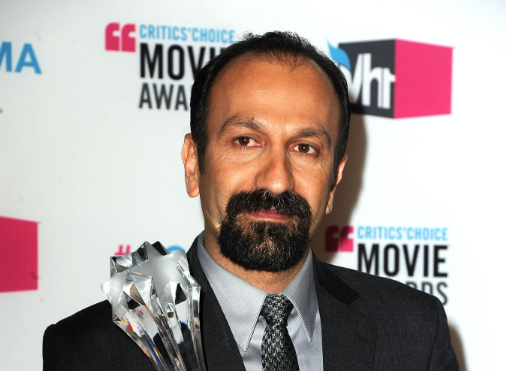
    Asghar Farhadi

    0

    “I see screenwriting as a bit like a math equation which I have to solve.” 

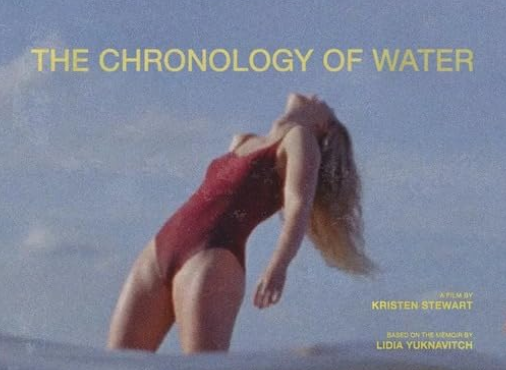
    The Chronology of Water (2025)

    A young woman escapes her abusive childhood, experiments with drugs, alcohol and sex, and dares to write about it, finding her voice.

    Memory, trauma, and pain in cinematic fragments. The Chronology of Water begins and ends as it intends to continue: with an artistic dissection of memory and its inherent fragmentation. What we remember – and more importantly, how we remember it – becomes the film’s central preoccupation. Co-writer/director Kristen Stewart (directorial debut) advances the narrative in a deliberately non-chronological fashion, crafting a cinematic language that mirrors the instability of youth and trauma.

    Through asynchronous editing, rapid-fire cuts, restless camera movement, invasive close-ups, and carefully deployed match-cuts that bridge parallel timelines, the film constructs a sensory experience rather than a conventional narrative. Sound design plays an equally crucial role: intrusive noises, often seemingly out of place, function as psychological ruptures that expose the disturbance beneath the surface. Special credit is due to editor Olivia Neergaard-Holm, whose rhythmic precision holds together what could easily have collapsed into pure chaos.

    This is filmmaking that consciously positions itself outside mainstream comfort. Confusion, disorientation, and unease are objective, not side effects. Reality and its distorted recollection blur until the film resembles a cinematic diary, a subjective excavation of a life marked by trauma, resilience, and uneasy triumph.

    Imogen Poots delivers what can only be described as an awards-calibre performance, embodying writer Lidia Yuknavitch with raw, often painful vulnerability. Her portrayal captures the film’s central question: Is artistic brilliance innate, or is it carved out of suffering?

    Stewart, Yuknavitch, Poots, and Neergaard-Holm push experimentation to its limits across the film’s substantial runtime (over two hours). The result is a work where moments of beauty are constantly shadowed by emotional darkness, where sweetness only registers because of the bitterness that precedes it.

    This is essential viewing for cinephiles and lovers of arthouse and intellectual montage traditions. Wider audiences may find the experience… demanding – and the film has already struggled to secure broad commercial footing, despite the ultimate support from producer Ridley Scott.

    Challenging, abrasive, and formally daring, The Chronology of Water is less a film you watch and more one you endure, and, for the right audience, deeply admire.

    Thanks for reading!

    Please, don’t forget to share. If you enjoy my work and dedication to film, please feel free to support me on https://www.patreon.com/kaygazpro. Any contribution is much appreciated and valued.

    Solidarity for all the innocent lives that suffer the atrocities of war!

    Stay safe!
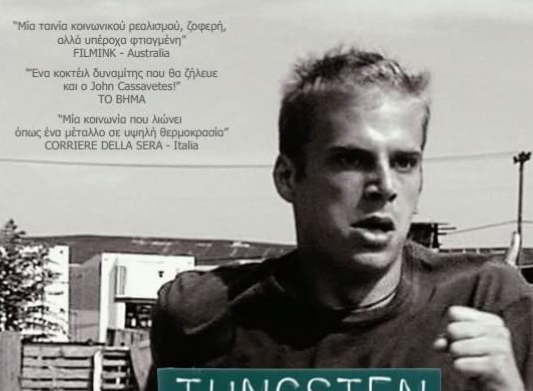
    Tungsten (2011)

    0

    Winner of Best Film at the 8th International Romanian Film Festival (Ro-IFF) in 2012 and nominated by the Hellenic Film Academy for Best First-Time Director – Giorgos Georgopoulos, and Best Supporting Actor – Vangelis Mourikis.

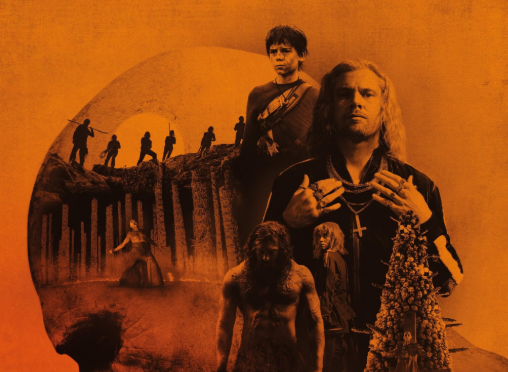
    28 Years Later: The Bone Temple (2026)

    Spike enters a satanic cult unwillingly and witnesses atrocities while Dr Kelson is trying to change the world.

    The rage recedes while something else approaches… With 28 Years Later: The Bone Temple, the franchise takes a turn that, frankly, felt foreshadowed in the previous instalment28 Years Later (2025): https://kaygazpro.com/28-years-later-2025/. The infected – once the primal engine of terror – are now secondary, almost peripheral. And when the infected stop being the central threat in a 28 film, something fundamental shifts.

    Survival used to be immediate. Breathless. Animalistic. Running for your life meant exactly that. Here, that urgency is diluted. The rage virus, once a national-scale catastrophe that redefined modern horror, narrows into something far more localised. Satanists emerge as the primary antagonistic force, and the conflict shrinks accordingly. Add to that a paranoid doctor vying for narrative dominance, and the apocalypse begins to feel oddly domestic.

    Technically, what director Nia DaCosta, writer/producer Alex Garland, and producer Danny Boyle have created is strong. It’s well-shot, tightly edited, and maintains a confident pace and rhythm. The acting is also powerful. Ralph Fiennes, Jack O’Connell, Alfie Williams, Connor Newall, Erin Kellyman, Maura Bird, Ghazi Al Ruffai, Robert Rhodes, Emma Laird, and Chi Lewis-Parry deliver strong performances that captivate. The craftsmanship is not the issue. In fact, the barn sequence stands out as the film’s most powerful stretch – tense, atmospheric, and briefly reminiscent of the franchise’s former ferocity. Before and after that moment, however, the identity of the series feels blurred.

    The infected lack presence. The once-distinct hyper-kinetic motion aesthetic is noticeably restrained. Even the soundtrack, which previously amplified unforgettable sequences, feels less defining. The introduction of the so-called “A-males” – teased as a significant evolution – ultimately registers as redundant rather than revolutionary (while there is a revelation).

    It’s clear there is an overarching design behind this new trilogy. Ambition is not lacking. The groundwork was laid with confidence, and the expansion of the universe showed promise. But this chapter takes a path that not everyone will embrace. By sidelining the existential terror that made the series culturally seismic, it risks muting its own legacy.

    The question now is what happens next. Despite critical praise, the film struggled commercially. That disconnect complicates the future of the franchise. Reinvention can be healthy. Drift, however, is another matter.

    The Bone Temple is technically accomplished and narratively bold – but whether it strengthens the saga or quietly distances it from its core is a debate that may define its long-term place in horror history.

    Will it return to its roots? Stay until the end and get hyped.

    Thanks for reading!

    Please, don’t forget to share. If you enjoy my work and dedication to film, please feel free to support me on https://www.patreon.com/kaygazpro. Any contribution is much appreciated and valued.

    Solidarity for all the innocent lives that suffer the atrocities of war!

    Stay safe!
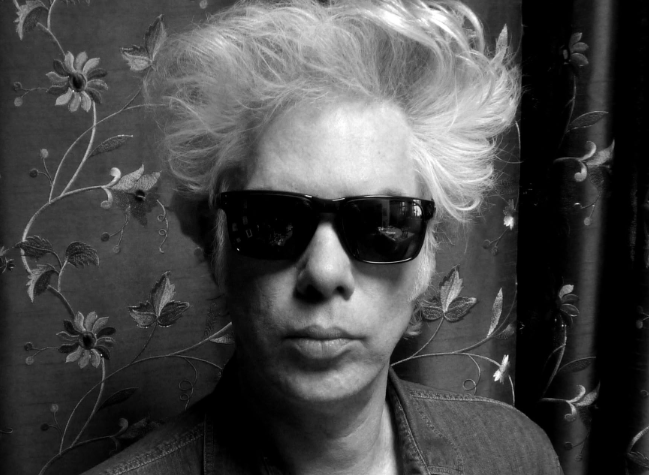
    Jim Jarmusch

    0

    “Devour old films, new films, music, books, paintings, photographs, poems, dreams, random conversations, architecture, bridges, street signs, trees, clouds, bodies of water, light and shadows. Select only things to steal from that speak directly to your soul. If you do this, your work (and theft) will be authentic. Authenticity is invaluable; originality is nonexistent.”

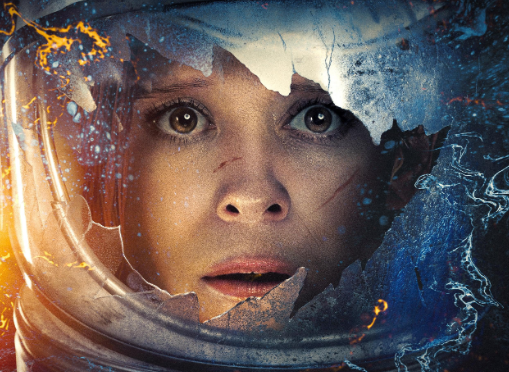
    The Astronaut (2025)

    After being attacked by something in space, an astronaut crash-lands back to Earth, but something else has come with her.

    Science is optional; a good story isn’t. Let me start at the beginning. You may find it hard to believe, but I’m not an expert on how a government agency retrieves an astronaut who has crash-landed in the middle of the ocean after a prolonged communications blackout, with visible damage to both the shuttle and the helmet. But I am fairly certain the procedure does not involve sending an unprotected team to casually pry the hatch open.

    That questionable decision sets the inciting incident in motion, and from there, the film shifts into a one-location horror where believability steadily erodes. The premise has potential, but the execution repeatedly asks the audience for leaps of faith that feel unnecessarily large.

    What exactly is the issue? In a supposedly high-security government facility (no spoilers), once lockdown protocols activate, one would expect a rapid and overwhelming black-ops response. Instead… nothing. The containment logic feels porous at best, dramatically undermining the tension the film is trying to build.

    The deeper problem is the film’s relationship with its own science. Science fiction does not require perfect realism, but it does require internal credibility. Here, it often feels as though basic research was either minimal or ignored. Advisors and consultants exist precisely to catch the kinds of details that otherwise become plot holes large enough to derail immersion – and several moments here unfortunately fall into that category.

    Even character behaviour strains plausibility. The scientists’ unusually calm reactions to what should be profoundly disturbing developments weaken the escalating dread. A late revelation suggests some characters know more than they initially reveal, but by that point, the damage to narrative credibility has largely been done.

    To the film’s credit, Kate Mara delivers the intended agonising performance, doing much of the heavy lifting. It’s just unfortunate that co-writer/director Jess Varley and the production team lean so heavily on contrivance rather than coherence. Also shame to see great actors such as Laurence Fishburne in such roles.

    Thanks for reading!

    Please, don’t forget to share. If you enjoy my work and dedication to film, please feel free to support me on https://www.patreon.com/kaygazpro. Any contribution is much appreciated and valued.

    Solidarity for all the innocent lives that suffer the atrocities of war!

    Stay safe!
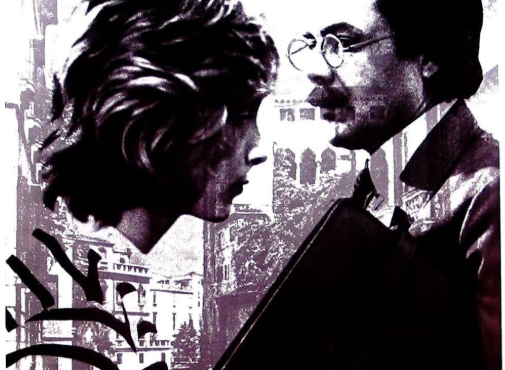
    Death in Venice (1971)

    0

    While the film’s exteriors were shot in Venice, the interior of Saint Mark’s Basilica was reconstructed at the Cinecittà studios.

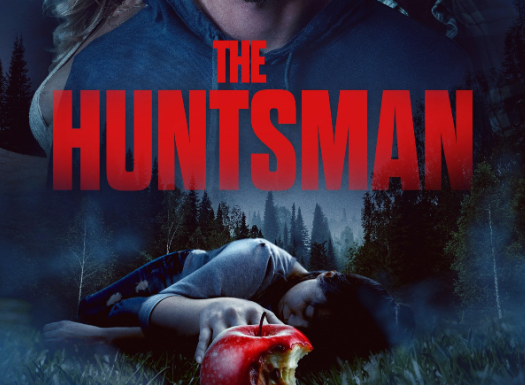
    The Huntsman (2026)

    A coma patient who has been accused of murdering six women is looked after by an ICU nurse who has personal motives.

    Slow-burning, flawed, yet enjoyable entertainment. The Huntsman wastes no time plunging into its inciting incident: the brutal murder of a woman. From there, the opening credits cleverly advance the narrative – arrest, trial, headlines, ICU – before the film properly resumes. We are gradually introduced to the players and their motives… or at least we think we are.

    Based on the novel by Judith Sanders, co-writer/director Kyle Kauwira Harris crafts a whodunit mystery/thriller that repeatedly shifts the viewer’s footing. Just when you feel confident about who is responsible, the film nudges your assumptions off balance. It’s a familiar structural game, but one that remains effective when handled with care.

    It’s difficult to discuss specifics without spoiling key turns, so focusing on craft is safer ground. The central cast – Shawn Ashmore, Elizabeth Mitchell, Jessy Schram, and Garret Dillahunt – deliver committed performances that anchor the film’s shifting suspicions. Visually, the photography employs solid camera movement, considered angles, and moody lighting to generate a suitably haunting atmosphere.

    The editing establishes an appropriate rhythm, though this is firmly a slow-burn experience – and your mileage will depend on your patience for that mode of storytelling. One questionable choice is the near-constant musical presence. Minimal as the score may be, it sometimes feels overly insistent, as though compensating for moments where the imagery should be trusted to carry emotional weight on its own.

    Where the film succeeds most is in its scripting engine: the persistent question of the killer’s identity keeps curiosity alive. However, deliberate pacing can occasionally risk viewer disengagement. A tighter trim might have sharpened both the narrative tension and the final cut.

    Verdict: Worth a watch. This is the kind of independent thriller that earns a chance, even if it doesn’t fully maximise its potential. Some twists are more predictable than others, and the ending is slightly confusing – but it ultimately delivers dark, twisted, and safely contained late-night entertainment.

    Thanks for reading!

    Please, don’t forget to share. If you enjoy my work and dedication to film, please feel free to support me on https://www.patreon.com/kaygazpro. Any contribution is much appreciated and valued.

    Solidarity for all the innocent lives that suffer the atrocities of war!

    Stay safe!
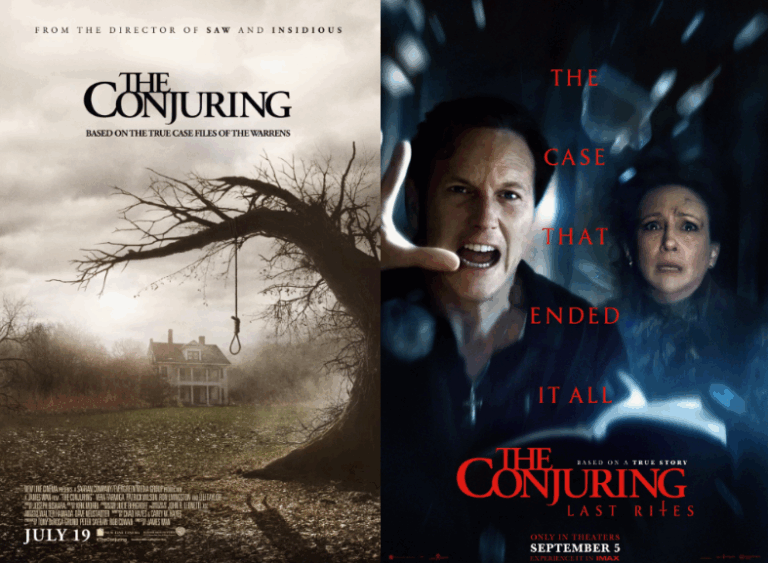
    The Conjuring: “Based on a True Story”

    0

    The Conjuring films promise truth, but deliver something more powerful: belief. From Ed and Lorraine Warren’s infamous cases to Hollywood’s billion-dollar spin, this episode unpacks why audiences embrace paranormal horror – and why critical thinking matters as much as the scares.

    Image References: IMDb

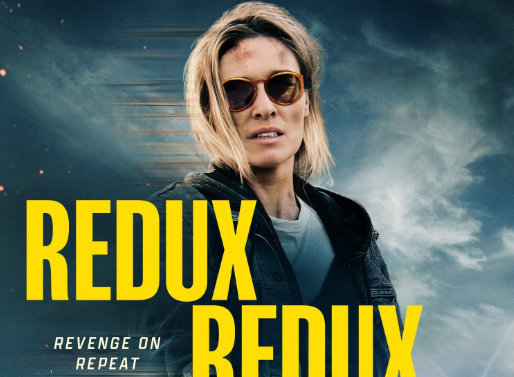
    Redux Redux (2025)

    A woman travels from universe to universe to find and kill her daughter’s murderer.

    Interesting concept, decent execution. An emblematic opening sequence kicks things off with promise, only to pivot into something that feels closer to Luc Besson–style genre entertainment than prestige sci-fi. Redux Redux ultimately plays like a family-forged, low-budget passion project that, to its credit, absolutely earns its existence. Because when the family in question commits this hard, the result tends to have a pulse.

    Producer/writer/director siblings Kevin McManus and Matthew McManus, alongside their sibling actress Michaela McManus, and Stella Marcus, pull viewers into a multiverse soaked in unspeakable grief. The premise is brutally simple: a mother desperately searches across realities for a version of the world where her daughter still lives – while ensuring that the man responsible for her death exists in none of them.

    Yes, the film carries visible budgetary constraints. The build-up occasionally wobbles, and the pseudoscientific framework requires a generous suspension of disbelief. But here’s the thing: the narrative hook is strong enough to compensate for many of those limitations. The performances are solid across the board, grounding the film’s more speculative ambitions in recognisable human pain, leaving hypothetical science aside. This is very much one of those films where you accept the old maxim: don’t let the facts get in the way of a good story.

    Technically, the film often punches above its weight. The photography works surprisingly well, lending texture and mood where spectacle is limited, while the editing demonstrates a welcome sense of rhythm – smooth sailing when momentum is needed, deliberately rougher when tension demands it.

    Will Redux Redux dominate academic discourse or year-end lists? Unlikely. The first two minutes arguably oversell what follows, and the film never quite sustains that initial surge of intensity. Yet as an American indie effort, it delivers where it matters most: engagement.

    Not essential viewing – but certainly worth your time. And that’s exactly what a film like this is meant to be: two hours of effective, emotionally driven escape.

    Thanks for reading!

    Please, don’t forget to share. If you enjoy my work and dedication to film, please feel free to support me on https://www.patreon.com/kaygazpro. Any contribution is much appreciated and valued.

    Solidarity for all the innocent lives that suffer the atrocities of war!

    Stay safe!
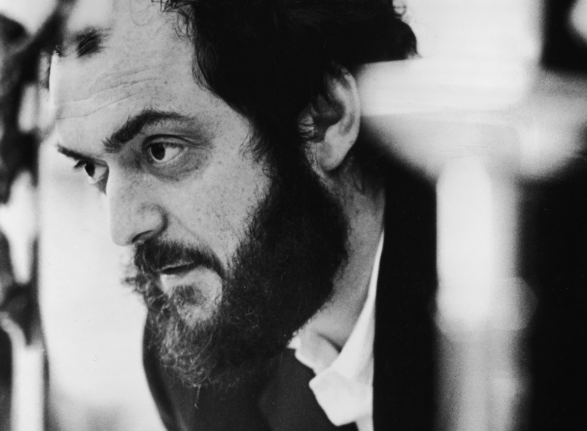
    Stanley Kubrick

    0

    “I was aware that I didn’t know anything about making films, but I believed I couldn’t make them any worse than the majority of films I was seeing. Bad films gave me the courage to try making a movie.”

    Dracula: A Love Tale (2025)

    A 15th-century prince denounces God, is cursed with immortality, and walks amongst people for centuries, waiting for the return of his beloved.

    A Count with European flavour… Notes of German Expressionism, gothic excess, gore, and folklore blend into a story that feels at once familiar and stylistically refreshed. For over a century, from Dracula’s Death (1921) and Nosferatu: A Symphony of Horror (1922) to Bram Stoker’s Dracula (1992): https://kaygazpro.com/bram-stokers-dracula-1992-horror/, Nosferatu (2024):https://kaygazpro.com/nosferatu-2024/ and now Dracula: A Love Tale, the eternal return of the Count is practically part of cinema’s DNA – yet this iteration attempts to dress the myth in more operatic garments.

    While the script structurally echoes previous versions, co-writer/director Luc Besson transforms the material into a choreographed, occasionally “blasphemous” audiovisual spectacle that deliberately sidesteps Hollywood’s more conventional storytelling rhythms. The relocation of the narrative from London to Paris reinforces the film’s commitment to a distinctly continental mood and aesthetic.

    The score, composed by one of the most recognisable film composers and music storytellers working today, Danny Elfman, finds the musician comfortably in his element. His long-standing creative relationship with Besson once again yields moments of dark lyricism that elevate the film’s more atmospheric passages.

    This also marks the second major collaboration between Besson and Caleb Landry Jones, following DogMan (2023): https://kaygazpro.com/dogman-2023/, which previously highlighted Jones’ diverse range. Here, too, his presence adds texture to an otherwise uneven dramatic landscape. With him, Zoë Bleu, Christoph Waltz, Matilda De Angelis, and the rest of the cast shine through the film’s darkness.

    Because uneven it is. The film’s pacing, rhythmic control, and emotional modulation fluctuate noticeably. Yet at its best, Dracula taps into something genuinely evocative – the aching romanticism that has always pulsed beneath the myth of the cursed prince.

    The film inevitably circles the eternal questions: Does Dracula embody the pure, destructive force of love that humans endlessly seek? When we say “love conquers all,” is he its ultimate, corrupted manifestation? Can a supernatural entity appear more emotionally authentic than humans who have never truly loved – or who commit atrocities in hatred’s name? Perhaps most provocatively: is love always love, or can it metastasise into obsession, paranoia, even a kind of beautiful madness that haunts the human psyche?

    Every Dracula adaptation has wrestled with these ideas. This one simply refracts them through a darker, more European lens – uneven, yes, but not without its hypnotic bite. (TikTok episode will follow up on that soon!)

    Thanks for reading!

    Please, don’t forget to share. If you enjoy my work and dedication to film, please feel free to support me on https://www.patreon.com/kaygazpro. Any contribution is much appreciated and valued.

    Solidarity for all the innocent lives that suffer the atrocities of war!

    Stay safe!
    Harakiri (1962)

    0

    Speaking of swords – accidentally – for the third time (check my previous two fun facts), the film’s lead, Tatsuya Nakadai, was genuinely afraid during filming as the swords used were real – a practice no longer allowed.

    Night Patrol (2025)

    A police officer discovers that a task force comprised of vampires organises an attack on the neighbourhood where he grew up.

    A messed-up compass! So, Night Patrol, right? A film about… well… dirty cops, conspiratorial gangs, white demons, Zulus, black magic – throw them all into a blender and that’s roughly the experience. From the very beginning, the film signals that it does not take itself seriously and, crucially, does not expect you to do so either. The poster alone screams B-movie energy – and let’s be clear: B-movie is often synonymous with entertainment. The real question is what kind of entertainment this aims to be.

    Co-writer/director Ryan Prows attempts to weaponise Zulu ancestry against a white satanic force while simultaneously gesturing toward sociopolitical commentary. The problem? Its moral compass feels thoroughly scrambled. No group emerges particularly dignified or thoughtfully portrayed, and the film’s approach to race is, at best, careless and, at worst, insulting. Hopefully, no actual Zulu will ever watch this.

    Dialogue is saturated with the N-word, while an almost relentless stream of rap tracks runs throughout the film… with the N-word. Rather than creating texture or authenticity, the repetition becomes numbing, even distracting. What might have been intended as gritty or provocative instead risks reinforcing the very stereotypes it seems vaguely interested in critiquing. The portrayal of African-American characters repeatedly leans into familiar and tired imagery – the ghetto, the thug, the gangster – without sufficient nuance or subversion to justify the choice. Except for Xavier (Jermaine Fowler), the only decent character.

    Tonally, the script struggles to find its footing. It is not funny to function as satire, nor sharp enough to sustain serious engagement. As a result, the film floats in an awkward middle space where neither mode fully lands.

    For comparison, look at the work of Joe Begos and films like Christmas Bloody Christmas (2022): https://kaygazpro.com/christmas-bloody-christmas-2022/ and VFW (2019): https://kaygazpro.com/vfw-2019-action-crime-horror/ – genre cinema that embraces excess while remaining energetic, self-aware, and, importantly, not alienating in its provocations. And then there is Justin Long, who unfortunately continues a streak of projects that fail to showcase his strengths.

    Messy, provocative, occasionally energetic – but ultimately a film whose compass spins a little too wildly to fully guide its audience.

    Thanks for reading!

    Please, don’t forget to share. If you enjoy my work and dedication to film, please feel free to support me on https://www.patreon.com/kaygazpro. Any contribution is much appreciated and valued.

    Solidarity for all the innocent lives that suffer the atrocities of war!

    Stay safe!
    Nancy Meyers

    0

    “Movies don’t look hard, but figuring it out, getting the shape of it, getting everybody’s character right, and having it be funny, make sense and be romantic, it’s creating a puzzle.”

    Bugonia (2025)

    Two conspiracists kidnap a woman, the CEO of a prestigious company, accusing her of being an alien and wanting to destroy the Earth.

    Lanthimos does what he does best. He pulls the rug from under genre, tone, and expectation. While it simply looks and sounds like it aims to confuse, it adds misdirection and turns it into a kind of sensory cat-and-mouse game.

    Bugonia looks like a conspiracy satire. You get feverish monologues delivered with absolute conviction, a cocktail of peasant slang and overly polished vocabulary with pseudoscientific nonsense and weirdly accurate observations. Anti-corporate rhetoric flows freely – sometimes generic, sometimes unexpectedly close to the truth. The messengers are social outcasts, “hillbillies” rejected by society, carrying unresolved trauma and resentment that blur the line between insight and delusion. Lanthimos never mocks them outright, but he never fully redeems them either.

    Then there’s the music. Old-fashioned orchestral cues surge in at moments that feel deliberately overemphasised – sometimes to underline emotion, sometimes to distort it, sometimes simply to make you question why you’re being told to feel something at all. Whether these moments are justified or ironic is left hanging, and that uncertainty becomes part of the experience.

    In Will Tracy and Jang Joon-hwan’s script lies an idea that’s both absurd and funnily logical: corporations and aliens are essentially the same thing. Both are (or act like) non-human entities, both lack empathy, and both have quietly (or maybe not so quietly) taken over the world. The film toys with familiar cosmic paranoia – alien invasions, hidden rulers, unseen forces, flat Earth – while contrasting it with something far less speculative. No proof is needed to show that corporations dominate modern life; we live inside that reality every day. Bugonia thrives in that overlap, where the unbelievable and the obvious become indistinguishable. I’ve said it before, there is no way the word “corporate” enters a sentence and gives it a positive connotation. See, Kombucha (2025): https://kaygazpro.com/kombucha-2025/.

    What truly keeps the film alive, though, is unpredictability. Being a Lanthimos film, there’s never a clear sense of how things will escalate, where they’ll tip into violence, comedy, tragedy, or something else entirely. That constant instability is its greatest strength.

    Emma Stone and Jesse Plemons deliver performances that feel fully attuned to this off-kilter world – controlled, unsettling, and often darkly funny – Alicia Silverstone is an excellent addition. They anchor the madness without explaining it, which feels exactly right. But really express it! Which is the polar opposite of his previous film, Kind of Kindness (2024): https://kaygazpro.com/kinds-of-kindness-2024/, which I had omitted reviewing but did just before this one for comparison and contrast (emphasis on behavioural hollowness and acting flatness).

    Bugonia (like Kinds of Kindness and his earlier films) may not offer answers, but it offers something else: the “itchy” feeling of not knowing where you stand, only that something deeply unsettling is about to happen – not knowing where, when, what, how, or why. But it’s going to happen.

    Thanks for reading!

    Please, don’t forget to share. If you enjoy my work and dedication to film, please feel free to support me on https://www.patreon.com/kaygazpro. Any contribution is much appreciated and valued.

    Solidarity for all the innocent lives that suffer the atrocities of war!

    Stay safe!
    Cinematic Escalating Paranoia: Control & Chaos

    0

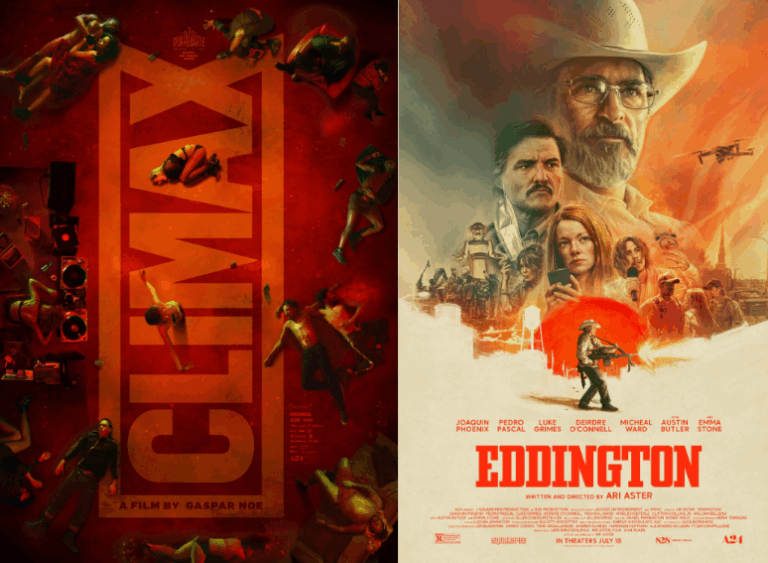
    From Mother! (2017), turning a quiet house into a warzone, to Eddington’s (2025) small-town feud exploding into battle, cinema thrives on escalation. These films start in control – an argument, a party, a dispute – and spiral into chaos, across genres from horror to comedy. Why does this spiral grip us so deeply?

    Image References: IMDb

    Kinds of Kindness (2024)

    Three stories about people who seek the truth in their distorted realities.

    Arthouse cinema is still alive. It’s been some time, but I remember before entering the screening, someone turned to me and asked, “Really? That’s almost three hours.” My answer simply was: “If the narrative is strong and engaging, time disappears.” So… does it?

    From the outset, the deliberately wooden, emotionally flattened performances signal a clear return to the early sensibilities of co-writer/director Yorgos Lanthimos. Characters repeat each other’s names with clinical precision, responding in ways that feel performative, awkward, and humanly detached. Which is not bad acting; this is an A-list cast: Emma Stone, Jesse Plemons, Willem Dafoe, Margaret Qualley, Hong Chau, Mamoudou Athie, and Yorgos Stefanakos. So, I would argue it is highly controlled stylisation. The awkwardness is the point.

    What unfolds across the film’s three distinct (or perhaps not entirely distinct?) worlds is a reality that looks like ours but never quite behaves as ours does. Actions feel off-beat. Reactions arrive half a second too late. Dialogue sounds as if it has been filtered through an unseen puppeteer (Lanthimos). The effect is dreamlike – or perhaps nightmare-adjacent – as though we are watching human behaviour rewritten.

    There is a clear creative kinship with the work of David Lynch – or tribute, if you may. Alongside writer Efthimis Filippou and editor Yorgos Mavropsaridis (lifelong collaborators), Lanthimos constructs multilayered narrative spaces filled with recurring motifs: food rituals, obedience, dreams/nightmares, impostor anxieties, sexual compulsions, chanting music, and those wonderfully dissonant and unsettling piano notes that seem to arrive from nowhere.

    So, do the three hours fly by? No. They do not. If mainstream narrative and pacing are your comfort zone, the film will feel long and intentionally abrasive. But for viewers attuned to Lynchian frequencies, such as Twin Peaks (1990), the experience is intellectually and aesthetically rewarding – even if time remains very present.

    Kinds of Kindness is not built for universal appeal, which is why there are mixed reactions. It is built as a controlled experiment in tone, rhythm, and behavioural distortion. For some, it will feel alienating. For others, it will feel like a loving, carefully constructed homage that keeps a certain cinematic legacy very much alive.

    Thanks for reading!

    Please, don’t forget to share. If you enjoy my work and dedication to film, please feel free to support me on https://www.patreon.com/kaygazpro. Any contribution is much appreciated and valued.

    Solidarity for all the innocent lives that suffer the atrocities of war!

    Stay safe!
    Pirates of the Caribbean: The Curse of the Black Pearl (2003)

    0

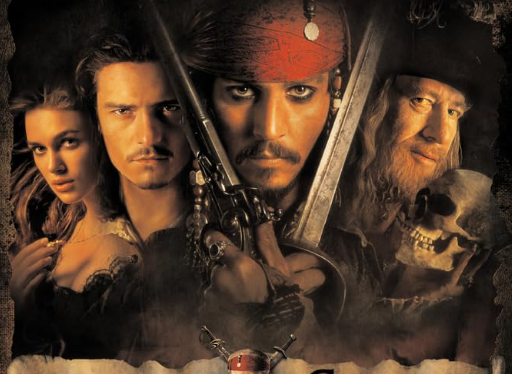
    Speaking of swords (check my previous fun fact), according to the film’s screenwriter, Terry Rossio, Will Turner (Orlando Bloom) is the best swordsman, followed by Barbossa (Geoffrey Rush) and Commodore Norrington (Jack Davenport), with the worst being… Jack Sparrow (Johnny Depp)!

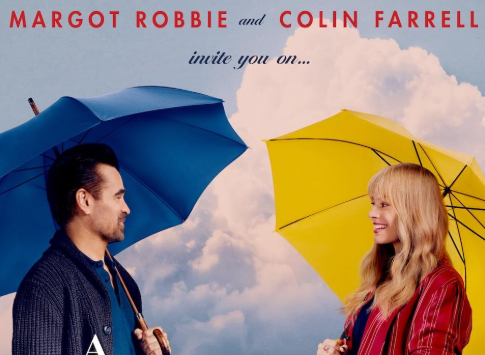
    A Big Bold Beautiful Journey (2025)

    Two lonely people embark on a journey that leads them to different eras and to all the things they could have done differently.

    Great ride, but some ingredients are missing. There is nothing realistic or even sensible about A Big Bold Beautiful Journey – and that, in theory, is perfectly fine. Life itself rarely makes sense. The problem is not its whimsy; it’s the absence of the emotion it so clearly aims to evoke.

    The introduction works beautifully. There is charm, intrigue, and a promise that something meaningful is about to unfold. But once the journey truly begins, the momentum softens. A mysterious door stands in the middle of a forest, leading to fragments of the past where others perceive the protagonists as their younger selves. It is a wonderfully absurd premise. Yet the characters accept it almost too easily. There is no hesitation, no existential tremor – just a gentle wandering from one symbolic door to the next. The fantastical becomes casual, and in doing so, it loses some of its magic.

    Thinking back to director Kogonada’s After Yang (2021): https://kaygazpro.com/after-yang-2021-drama-sci-fi/, also starring Colin Farrell, a similar emotional restraint hovers over crucial moments. The tone is delicate, almost hushed, but at times that restraint turns into emotional flatness. The mysterious car agency – hinted at as something larger, perhaps agents of fate or destiny – never quite embraces its potential mysticism. It feels functional rather than transcendent.

    The film positions itself as a light fantasy/comedy/drama. The comedy is indeed light, occasionally charming. But the drama is where it should have soared. Scenes between Sarah and her mother, in particular, feel designed to break hearts. Instead, they gently tap on them. Seth Reiss’ script and Kogonada’s direction seem hesitant to fully surrender to emotional excess. And yet, the cast does what it can. Colin Farrell brings quiet vulnerability (see the moment with his dad), Margot Robbie radiates aching fragility to the point of self-destruction, and Phoebe Waller-Bridge and Kevin Kline offer gravitas.

    For all its shortcomings, the film provokes reflection. It becomes a lonely, almost therapeutic fantasy for those who feel consciously lost, searching for direction while pretending they have one. It made me philosophise, which means it offered substance. I only wish it had dared to dive deeper into the uneasy blend of harsh pseudo-realism and boundless wishful fantasy.

    Thanks for reading!

    Please, don’t forget to share. If you enjoy my work and dedication to film, please feel free to support me on https://www.patreon.com/kaygazpro. Any contribution is much appreciated and valued.

    Solidarity for all the innocent lives that suffer the atrocities of war!

    Stay safe!
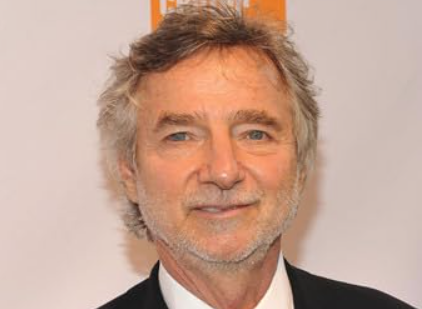
    Curtis Hanson

    0

    “You can dress it up, but it comes down to the fact that a movie is only as good as its script.”

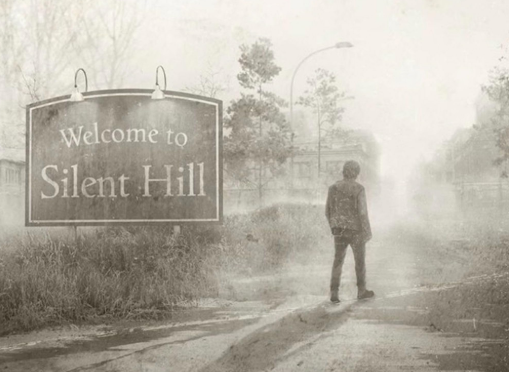
    Return to Silent Hill (2026)

    After having received a distress letter from the love of his life, a man returns to Silent Hill, a town now consumed by darkness, to save her.

    Unfortunately, bad! Unlike Primate (2025): https://kaygazpro.com/primate-2025/, which was expected to be mediocre at best, Return to Silent Hill is disappointing in a far more deflating way – because it should have worked. Co-writer/director Christophe Gans had time, resources, and the blessing of Konami to craft something genuinely dark, unsettling, and grotesque. Silent Hill is an atmosphere, a philosophy of dread, a slow psychological suffocation that consumes all living and non-living entities inside it – especially when the deafening siren blares off. And yet, what emerges here is an oddly hollow echo of that legacy.

    There are moments – isolated shots, brief visual ideas – where the film flirts with competence. But they are buried under incoherent sequencing, overbearing CGI, and a general sense that cheaply-made spectacle has replaced meaning. Silent Hill’s horror was never about excess; it was about implication, physical and mental decay, and existential unease. Here, digital effects dominate to such an extent that the film actively breaks the believability of its own dark fantasy.

    The script is the primary offender. It lacks structure, rhythm, and emotional logic. Scenes feel stitched together rather than organically progressing, and the editing only worsens the issue, giving the film a strangely cheap, straight-to-DVD aesthetic. Instead of dread, there is confusion; instead of unease, noise.

    This raises the central question that continues to plague video game adaptations: what do you keep, what do you discard, and, most importantly, why? Visual fidelity alone is not adaptation. Recreating iconography without understanding its function strips it of power. Silent Hill’s monsters, voices, sounds, and fog were haunting, yes, but guilt, repression, and psychological punishment had always been the sources of manifestation.

    Ultimately, Return to Silent Hill feels like a film that knows how the game looks but not how it feels. And without that understanding, no amount of backing, time, or nostalgia can resurrect its soul.

    Thanks for reading!

    Please, don’t forget to share. If you enjoy my work and dedication to film, please feel free to support me on https://www.patreon.com/kaygazpro. Any contribution is much appreciated and valued.

    Solidarity for all the innocent lives that suffer the atrocities of war!

    Stay safe!
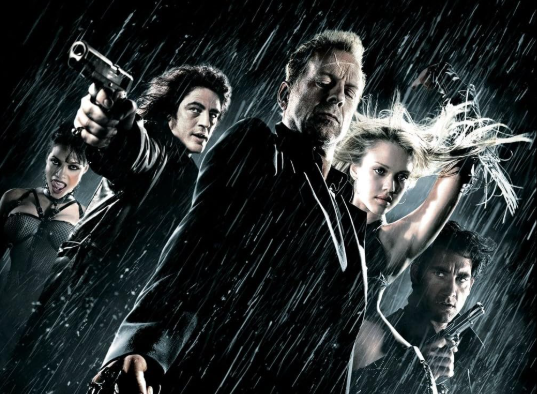
    Sin City (2005)

    0

    The swords used by Miho (Devon Aoki) are the same ones used by the Crazy 88 in Kill Bill: Vol. 1 (2003). Tarantino had kept them stored in his garage.

    Primate (2025)

    0

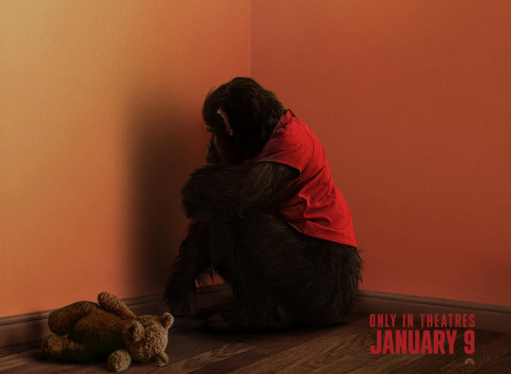
    A house party turns into a massacre when a pet chimpanzee pet gets rabies.

    I don’t want to say much about this one – and frankly, the film doesn’t give you much to work with beyond surface-level shocks.

    The acting is competent across the board, but it’s squandered on characters that are either deeply unrelatable or actively unpleasant. Watching Troy Kotsur follow up an Oscar-winning performance in CODA (2021) with Primate feels like a genuine waste of talent, even if, according to IMDb, he enjoyed the experience. Enjoyment, however, does not translate into narrative value.

    Co-writer/director Johannes Roberts made a film that leans heavily on casting enormously good-looking actresses – Johnny Sequoyah, Jess Alexander, and Victoria Wyant. But aesthetic appeal is not a substitute for character, motivation, or coherent writing. The main problem here is the script. Hawaii, being the only U.S. state without rabies, becomes a narrative crutch rather than an intelligent plot device. Even so, the film’s internal logic collapses quickly: chimpanzees may be poor swimmers, but they can swim, and if Ben were rabid, the resulting aggression would not conveniently discriminate between in- and out-of-water contexts. The film behaves as though biology bends to screenplay convenience, and it does so repeatedly (see also the closet scene).

    The handling of captivity is equally absurd. Characters respond to confinement with such baffling stupidity that emotional investment becomes impossible. There is no tension because there is no empathy; the audience is never given a reason to care whether anyone survives.

    Ironically, this works in the film’s favour during its more brutal moments. Ben himself, thanks to effective prosthetics, animatronics, and performance, is convincingly realised. The deaths are visceral and occasionally entertaining precisely because detachment reigns. If characters are going to die, they might as well do so spectacularly.

    Lastly, the film’s central premise, keeping a chimpanzee as a pet, treating it as a toy, locking it in a cage, and waving a teddy bear to pacify it, is not provocative or tragic. It’s just moronic. That this arrangement predictably ends in violence is not shocking one bit, just inevitable.

    Thanks for reading!

    Please, don’t forget to share. If you enjoy my work and dedication to film, please feel free to support me on https://www.patreon.com/kaygazpro. Any contribution is much appreciated and valued.

    Solidarity for all the innocent lives that suffer the atrocities of war!

    Stay safe!
    Akira Kurosawa

    0

    “The characters in my films try to live honestly and make the most of the lives they’ve been given. I believe you must live honestly and develop your abilities to the full. People who do this are the real heroes.”

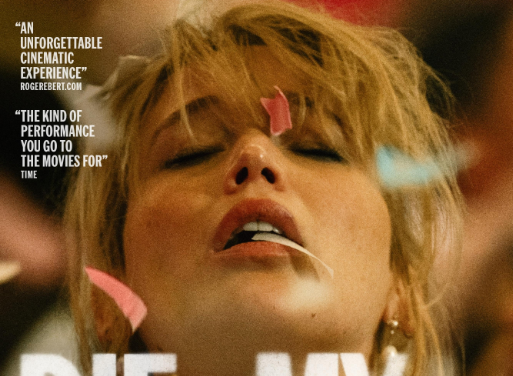
    Die My Love (2025)

    0

    A young mother starts suffering from postnatal depression, slips into paranoia while her husband tries in vain to help her.

    A ticking bomb from its opening moments. At first, everything is fine with the young couple exploring their artistic and sexual desires. But parenthood looms as a source of pressure rather than desire or joy. Loneliness metastasises into estrangement, and estrangement curdles into emotional and psychological explosion.

    Co-writer/producer/director Lynn Ramsay constructs a world where irritation becomes torment: the persistent buzz of a fly, a dog’s relentless barking, and an almost cruelly cheerful musical backdrop form an audiovisual assault that mirrors the protagonist’s internal collapse and her other half’s implosion. These sounds invade the film and are weaponised against both character and viewer. The contrast between surface normalcy and internal catastrophe is the film’s most unsettling strategy.

    As the narrative expands to include an ageing couple grappling with the natural corrosion of body and mind, the film’s psychological tension deepens. Mental deterioration is not isolated to youth or motherhood; it is universal, inevitable, and terrifying. What emerges is a continuum of decay – mental, emotional, physical – suggesting that this is not an exception, but a trajectory. And this is how Ramsay decides to depict it.

    From a filmmaking perspective, Seamus McGarvey’s day-for-night cinematography lends the world an unreal, dreamlike instability, as if even time itself is untrustworthy – a nod to Grace’s point of view. Toni Froschhammer’s editing complements this with rhythmic fractures and stutters, which manifest Grace’s mental state and create moments when coherence feels briefly unattainable – intentionally so.

    The performances are just extraordinary. Jennifer Lawrence (also executive producer) delivers one of her most raw and exposed performances, while Robert Pattinson (also executive producer) continues his streak of unsettling, emotionally opaque roles. Sissy Spacek and Nick Nolte top up the devastation, embodying lives worn thin by time. Lakeith Stanfield, as always, adds gravity with minimal effort.

    Ramsay once again proves her mastery in portraying psychological imbalance, echoing the shocking intensity of We Need to Talk About Kevin (2011) and the existential violence of You Were Never Really Here (2017). Though different in narrative shape, Die My Love spiritually resembles films of psychological descent such as Repulsion (1965) or Possession (1981): https://kaygazpro.com/possession-1981-drama-horror/ – cinema where the true horror is not external, but internal. Mostly, though, it comes very close to Baby Ruby (2022): https://kaygazpro.com/baby-ruby-2022-drama-thriller/. Yet another film that must not be ignored.

    This is not an easy watch. Nor should it be. Die My Love is a brutally honest depiction of postnatal depression, transforming moments culturally framed as “beautiful” into a waking nightmare – for the sufferer and for everyone orbiting them.

    Thanks for reading!

    Please, don’t forget to share. If you enjoy my work and dedication to film, please feel free to support me on https://www.patreon.com/kaygazpro. Any contribution is much appreciated and valued.

    Solidarity for all the innocent lives that suffer the atrocities of war!

    Stay safe!
    Eclipsed (2026) – Coming Soon

    0

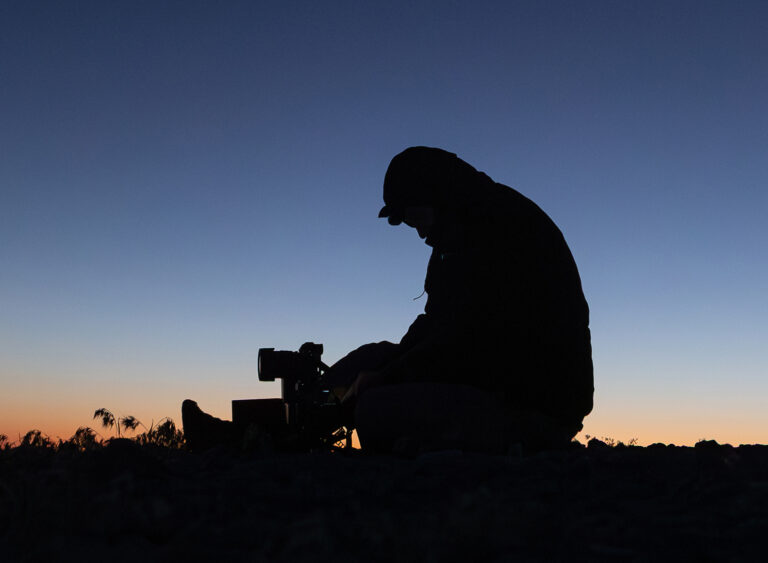
    A journey through science, visuals, and personal stories that seeks to find ways for people to reconnect with the night sky… and what we’ve lost.

    Website: https://eclipsedfilm.com/

    Why is Stephen King still the King

    0

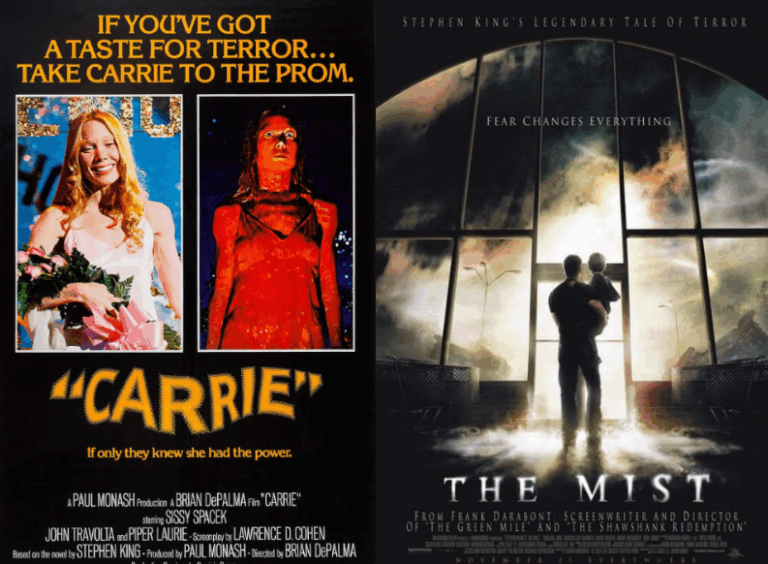
    From Carrie to It to The Mist, Stephen King’s stories keep shaping cinema across generations. What makes his horror timeless? It’s not the monsters – it’s the human fears that create them. Discover why Stephen King still rules.

    Image References: IMDb

    Peter Bogdanovich

    0

    “The lack of film culture is one of the things that really upsets me. There’s this complete lack of interest in anything that was made longer than ten years ago… It’s like ignoring buried treasure, but it’s not even buried. It’s right there.”

    Mimikos and Mary (1958)

    0

    Like a Greek tragedy, the film is inspired by the true story of Marie Weber, a German expatriate teacher to the royal family, and Michalis Mimikos, a Greek army doctor, in the late 19th century. Their paths crossed, they fell in love, but when she told her father she wanted to marry him, he forbade it. In despair, she jumped from the Acropolis. Unable to bear life without her, Mimikos took his own life with his weapon. Their graves still attract visitors today.

    The Rule of Jenny Pen (2024)

    After suffering a stroke, a former judge is admitted to a nursing home where a psychopath terrorises the patients.

    Great notion and amazing performances. The Rule of Jenny Pen is a stripped-down, low-budget, single-location horror that projects a crucial truth: the most unsettling terror rarely needs monsters, blood, or elaborate mythology. A locked door, a shared corridor, and time will do.

    Writer Eli Kent, co-writer/director James Ashcroft, IFC Films and Shudder construct a slow-burning mystery/thriller set almost entirely within a nursing home, where dignity quietly erodes alongside the body. At its centre is an old man defined by pride – intellectual, moral, personal – who finds himself hospitalised and abruptly stripped of authority, independence, and identity. What follows is not a sudden collapse, but a gradual, humiliating unravelling.

    Opposite him stands the film’s true horror: another resident, physically stronger, disturbingly lucid, and utterly unbound by empathy. This man rules the home through psychological cruelty, exploiting weakness not out of survival, but pleasure. His presence accelerates the degradation already built into the system, transforming neglect into something actively malevolent.

    Three distinct horrors operate simultaneously. First, tyranny – emerging not in grand political systems, but in places designed for care. Second, the baffling incompetence and indifference of those tasked with protecting the vulnerable, whose absence feels as threatening as any antagonist. And finally, the most frightening truth of all: the inevitable decay of mind, body, and spirit. No villain is required for that. As said, time will do.

    Geoffrey Rush, John Lithgow, and George Henare deliver performances of remarkable restraint. Lithgow, in particular, is deeply unsettling and shocking to the core! His villain is historically familiar, recognisable, and therefore impossible to dismiss.

    What is not shocking is that his performance slipped past major festivals unnoticed. The film offers no comforting metaphors, no fashionable outrage, and no political packaging. Is this why? The festivals maintain their political trajectory, achieving more and more of their agendas, excluding performances such as this, leaving people to lose more and more faith in institutions that should be awarding merit alone.

    The Rule of Jenny Pen is highly recommended for horror fans willing to face a sobering possibility: this is not a story about “them.” It may well be a glimpse of where we are all headed.

    Thanks for reading!

    Please, don’t forget to share. If you enjoy my work and dedication to film, please feel free to support me on https://www.patreon.com/kaygazpro. Any contribution is much appreciated and valued.

    Solidarity for all the innocent lives that suffer the atrocities of war!

    Stay safe!
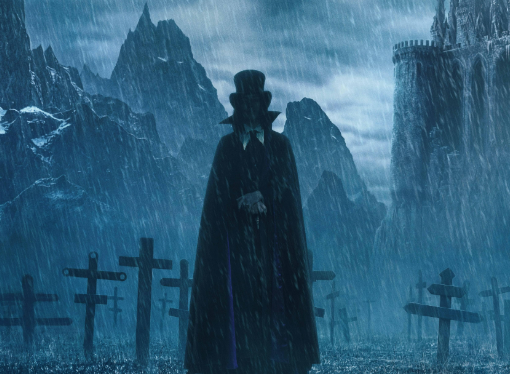
    Guillermo del Toro

    0

    “The saddest journey in the world is the one that follows a precise itinerary. Then you’re not a traveler. You’re a f@cking tourist.”

    Greenland 2: Migration (2026)

    Years after the comet hit the Earth, the Garrity family must leave the bunker and cross a ravaged Europe in search of a new home.

    Exactly what it promises to be – no more, no less! Following the events of Greenland (2020): https://kaygazpro.com/greenland-2020-action-drama-thriller/ The film sticks to a familiar disaster-movie rhythm: brisk, efficient action sequences driven by clear obstacles, followed by slower pauses filled with romance, family bonding, and that unmistakable strain of Hollywood sentimentality. The pacing knows when to accelerate and when to breathe, and while none of it is surprising, it is competently assembled to keep the audience engaged without exhaustion.

    This time, the heroes’ journey flips direction. The northward scramble for survival becomes a desperate migration south, as the scorched Earth and lingering comet debris fade into the background. The real danger now isn’t the planet, but what’s left of humanity. Scarcity, distrust, and the fractured remnants of civilisation largely replace firestorms and falling debris, shifting the film neatly from apocalyptic spectacle to post-apocalyptic survival. It’s a logical evolution, even if it never pushes beyond safe narrative territory.

    Director Ric Roman Waugh reunites with Gerard Butler and Morena Baccarin, and the familiarity works in the film’s favour. Butler settles comfortably into the role he has perfected here: the everyman father whose entire moral compass is his family, willing to endure anything to protect them. Baccarin, once again, brings emotional weight that grounds the story, communicating grief, resilience, and quiet strength without needing melodrama. Their chemistry remains the franchise’s emotional anchor.

    The film delivers scripted but suspenseful challenges, presenting problems and solutions with just enough realism to feel credible within a Hollywood framework. Nothing truly surprises, and nothing overstays its welcome. This is not a sequel aiming for reinvention or cultural relevance; it knows its lane and stays in it.

    Greenland 2: Migration won’t spark long debates or critical re-evaluations, but it doesn’t need to. It’s a solid, unpretentious survival thriller – the kind of film that lets you switch off, forget your own worries for ninety minutes, and enjoy the ride while it lasts.

    Thanks for reading!

    Please, don’t forget to share. If you enjoy my work and dedication to film, please feel free to support me on https://www.patreon.com/kaygazpro. Any contribution is much appreciated and valued.

    Solidarity for all the innocent lives that suffer the atrocities of war!

    Stay safe!

    Close to Eden (1991)

    0

    The first Russian film to be nominated for an Oscar. Previous nominations were under the Soviet Union.

    Keeper (2025) 

    0

    Isolated in a remote cabin, a woman begins experiencing visions and contradictions that turn reality into a nightmare.

    Experimental, uncomfortable, but utterly confused. Writer Nick Lepard, director Ozgood Perkins, and Neon developed Keeper with unease rather than explanation in mind. See the opening sequence, for example: the music doesn’t match the visuals, and vice versa. Instantly, you don’t know what to expect or how to feel – hence, the unease. And that feeling follows you throughout both acts. As for the third one, well, you’ll see for yourselves.

    The film constantly pits image against sound, destabilising perception and forcing the viewer into a state of quiet alertness. Add a cabin in the woods to that equation, and the promise of safety is already cracked before the story even settles.

    Confusion is not a byproduct here – it’s kind of a design. What is wrong with her? Why does she behave this way? Why do other women seem to recognise something in her visions? Is this presence psychological, supernatural, symbolic, or all of the above? The film throws questions like bait and rarely offers clean answers. Even seemingly random elements, like the fish, carry a sense of wrongness, as if the world itself is slightly misaligned.

    Tatiana Maslany anchors the film with a performance that is anything but ordinary, even when the character tries to be. She is astonishing not because she overplays, but because she doesn’t. The tension lives in what she withholds. Again, you’ll see for yourselves.

    Personally, though, what truly unsettles is not the ambiguity of the threat, but the clarity of one idea: the terror of physical power used as control. The most disturbing moments are not supernatural but real – when a man physically prevents a woman from acting simply because he can. Masculinity here is not heroic or even tragic; it is depicted as toxic, coercive, and at times criminally unhinged. And the way I interpret it is that the horror isn’t that this force exists – it’s that it’s recognisable.

    Perkins has openly described Keeper as an experiment, deliberately distinct from Longlegs (2024) and The Monkey (2025). That intention is evident. The film resists conventional pacing, resolution, and catharsis. For viewers open to mood-driven, interpretive horror, that can be invigorating. For others, it may feel withholding or nonsensical to the point of frustration.

    And that raises the unavoidable question: who is this film for? Who is any film for? There is a fine balance between artistic identity and audience engagement. Horror fans seek experimentation, yes – but they also seek some form of satisfaction, and studios seek return. Perkins walks a tightrope with the kind of cinema he has chosen, and while his films are bold, they are also risky.

    Thanks for reading!

    Please, don’t forget to share. If you enjoy my work and dedication to film, please feel free to support me on https://www.patreon.com/kaygazpro. Any contribution is much appreciated and valued.

    Solidarity for all the innocent lives that suffer the atrocities of war!

    Stay safe!
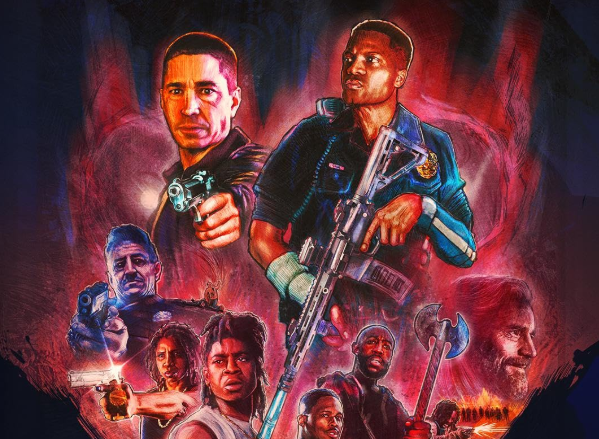
    How Netflix Shapes What You Think You Want

    0

    Every time you watch Netflix, it watches you back. From recommending shows to greenlighting projects, the algorithm rewards safe formulas – but can limit originality and risk-taking. Discover how your viewing choices shape what makes it to the screen, and why your remote might be more powerful than you think.

    Image References: IMDb